 800-811-7514
Snoring vs. Sleep Apnea: How to Know the Difference
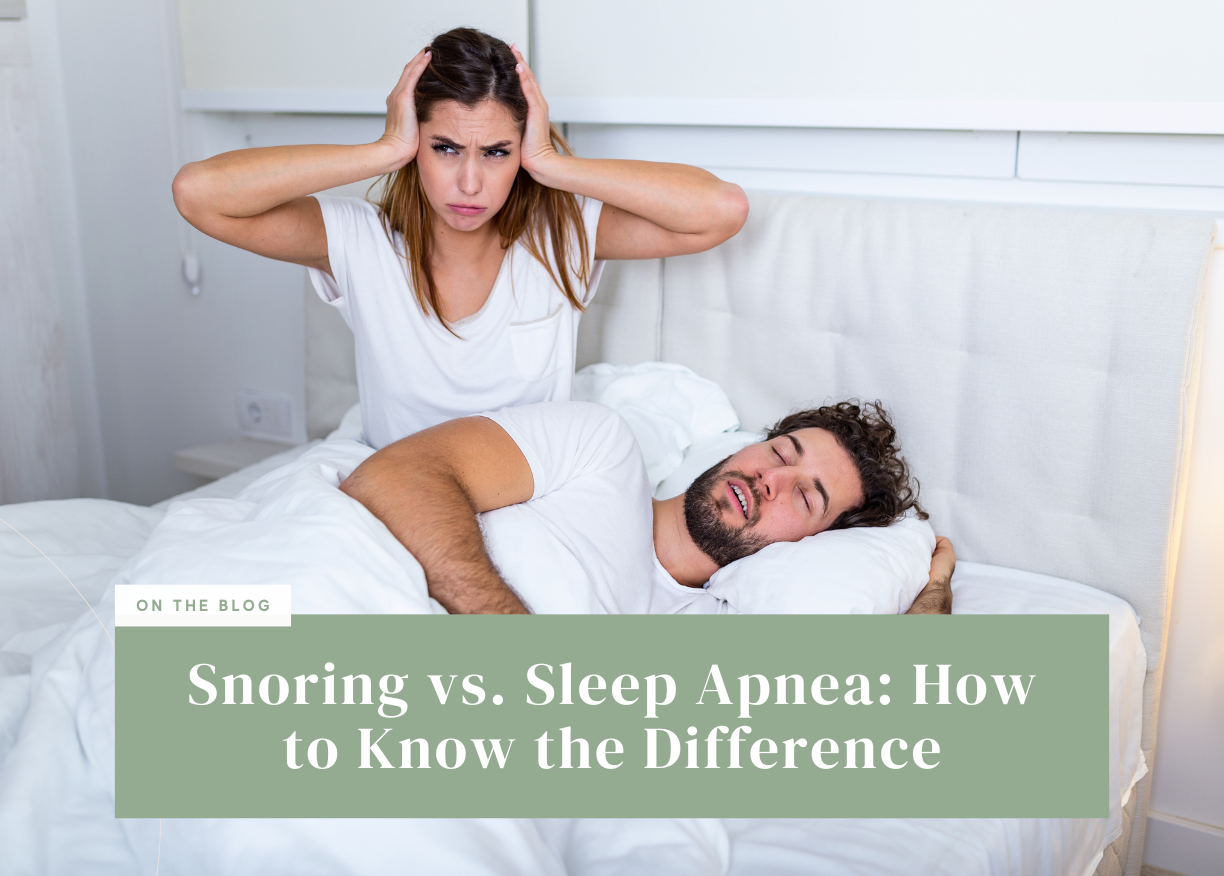

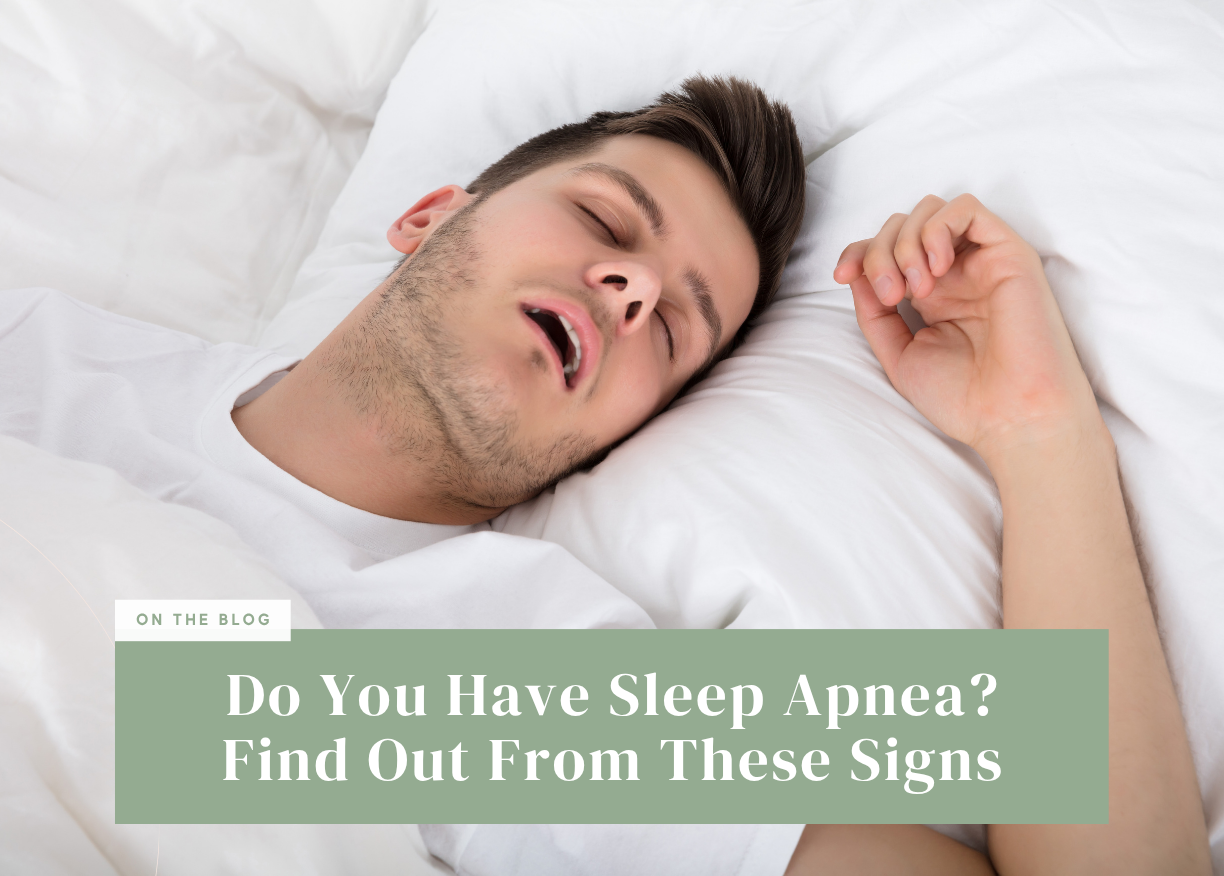
Snoring is easy to dismiss.
Maybe it’s a joke in your house.
Maybe your partner complains.
Maybe you wake up with a dry mouth and blame the room air.
For some people, snoring is mostly harmless.
But for others, snoring can be a sign that breathing is not staying smooth during sleep.
That’s where the question becomes important:
Is it just snoring… or could it be sleep apnea?
The difference matters.
Because ordinary snoring may disturb sleep.
But sleep apnea can interrupt breathing, reduce sleep quality, and leave the body struggling to recover through the night.
What Is Snoring?

Snoring happens when air moves through a narrowed space in the nose or throat during sleep.
As the air passes through, the surrounding tissues vibrate.
That vibration creates the sound.
Snoring can be caused by many things, including sleep position, congestion, allergies, alcohol, anatomy, weight, or simply how relaxed the throat becomes during sleep. Mayo Clinic lists factors such as mouth and sinus anatomy, alcohol use, allergies, colds, weight, and sleep position as possible causes of snoring.
So snoring does not automatically mean something serious is happening.
But it should not always be ignored either.
What Is Sleep Apnea?

Sleep apnea is different.
Sleep apnea happens when breathing repeatedly stops or becomes very shallow during sleep.
The most common type is obstructive sleep apnea, where the airway becomes partly or fully blocked during the night.
When that happens, the brain briefly wakes the body enough to restart breathing.
You may not fully remember these wake-ups.
But your sleep gets interrupted anyway.
The NHLBI lists breathing that starts and stops, frequent loud snoring, and gasping for air during sleep as symptoms that can happen with sleep apnea.
That is why someone with sleep apnea can spend 7 or 8 hours in bed and still wake up exhausted.
The time was there.
The quality was not.
The Big Difference: Noise vs. Breathing Interruption

Snoring is mainly a sound.
Sleep apnea is a breathing problem.
That is the biggest difference.
With ordinary snoring, air is still moving.
With sleep apnea, breathing may pause, become shallow, or restart with choking or gasping.
That does not mean every loud snorer has sleep apnea.
Mayo Clinic notes that loud snoring can indicate a potentially serious problem, but not everyone with sleep apnea snores.
So the sound alone is not enough.
You have to look at the pattern.
Signs It May Be More Than Snoring

Snoring deserves more attention when it comes with other symptoms.
Watch for:
-
Choking or gasping during sleep
-
Pauses in breathing
-
Sudden awakenings
-
Morning headaches
-
Dry mouth or sore throat
-
Daytime sleepiness
-
Brain fog
-
Irritability
-
Trouble focusing
-
Waking up unrefreshed
Mayo Clinic lists gasping or choking at night, excessive daytime sleepiness, morning dry mouth or sore throat, and morning headaches among possible obstructive sleep apnea symptoms.
If your partner has noticed that you stop breathing or gasp during sleep, that is especially important.
People often do not notice these signs themselves.
Someone else may see them first.
Choking or Gasping Is a Bigger Red Flag

A little snoring can happen for many reasons.
But waking up choking or gasping is different.
That can be a sign your body is trying to reopen the airway.
MedlinePlus explains that with sleep apnea, normal breathing may restart with a snort or choking sound.
This does not mean you should panic.
But it does mean you should pay attention.
If choking, gasping, or breathing pauses happen repeatedly, it is worth discussing with a healthcare professional.
Daytime Tiredness Matters

A person with ordinary snoring may still wake up feeling rested.
A person with sleep apnea often does not.
They may feel tired even after a full night in bed because their sleep was repeatedly interrupted.
You may notice:
-
You need caffeine just to function
-
You feel sleepy while working
-
You struggle to focus
-
You feel foggy in the morning
-
You could nap almost anytime
-
You feel drowsy while driving
The NHLBI notes that excessive daytime sleepiness can be a reason to ask a provider about sleep apnea.
That is one of the biggest clues.
If the night seems long enough but your body still feels exhausted, something may be affecting the quality of your sleep.
Snoring Can Be Worse in Certain Positions

Some people snore more when they sleep flat on their back.
In that position, the tongue and soft tissues can fall backward more easily, narrowing the airway.
That is why side sleeping or slight upper-body elevation may help some people snore less.
But this is important:
Position changes may help ordinary snoring or mild positional snoring.
They are not a substitute for diagnosing or treating sleep apnea.
If sleep apnea is suspected, a doctor or sleep specialist should evaluate it.
How Do You Know for Sure?

You cannot know for sure from a blog article.
You cannot know for sure from a phone recording.
And you cannot know for sure only because someone snores.
Sleep apnea is diagnosed through medical evaluation, often with a sleep study or home sleep test.
Mayo Clinic explains that a sleep study can help diagnose sleep apnea and rule out other sleep disorders that may cause daytime sleepiness or similar symptoms.
So if the signs are there, the next step is not guessing.
The next step is getting checked.
When Should You Talk to a Doctor?

Consider talking to a healthcare professional if you or your partner notice:
-
Loud, frequent snoring
-
Breathing pauses during sleep
-
Choking or gasping at night
-
Waking up with headaches
-
Waking up with dry mouth
-
Daytime sleepiness
-
Drowsy driving
-
High blood pressure with poor sleep
-
Feeling unrefreshed most mornings
This is especially important if symptoms are frequent or getting worse.
Sleep apnea is treatable.
But first, it has to be recognized.
What Can Help If It’s Ordinary Snoring?

If your snoring is mild, occasional, and not paired with choking, gasping, breathing pauses, or serious daytime sleepiness, there are some simple things that may help.
1. Try Side Sleeping
If snoring is worse on your back, side sleeping may reduce it.
2. Elevate Your Upper Body
A gentle incline may help breathing feel more open for some people.
This works better when the whole upper body is elevated smoothly instead of stacking pillows under the head.
3. Support Your Neck Properly
A pillow that keeps your head and neck aligned can help your airway position feel more natural.
4. Treat Congestion
Allergies, colds, and nasal congestion can make snoring worse.
If congestion is frequent, it may be worth talking to a doctor.
5. Avoid Alcohol Close to Bedtime
Alcohol can relax throat tissues and make snoring worse for some people.
The Sweet Zzz Setup for Better Breathing Comfort
A better sleep setup cannot diagnose or treat sleep apnea.
But it can support comfort, positioning, and fewer disruptions for people dealing with snoring or uncomfortable sleep posture.
This is the strongest recommendation when snoring is related to sleeping flat or poor elevation. It lets you gently raise your upper body without stacking pillows or bending your neck awkwardly. That smoother incline may help some people breathe more comfortably and reduce snoring.
Supports the head and neck so your sleep posture feels more natural. Proper pillow support matters because airway comfort often starts with head and neck position.
Works with the adjustable base while providing balanced support, pressure relief, and breathable comfort through the night.
Soft, breathable, and moisture-wicking, they help reduce overheating and discomfort that can lead to restless sleep.
This setup is about comfort and positioning.
If sleep apnea is suspected, medical evaluation still comes first.
Final Thoughts
Snoring is common.
But snoring is not always simple.
Ordinary snoring is usually about sound.
Sleep apnea is about breathing interruption.
The signs that matter most are choking, gasping, breathing pauses, daytime sleepiness, morning headaches, and waking up unrefreshed.
So if the snoring is occasional and mild, simple changes may help.
But if the snoring sounds irregular, intense, or comes with signs that breathing is being interrupted, do not ignore it.
Better sleep starts with knowing the difference.
Because quiet sleep is nice.
But healthy breathing matters more.