 800-811-7514
The Best Sleep Setup for Cooler Fall Nights


Cooler fall nights can make sleep feel amazing.
The room feels calmer.
The sheets feel fresher.
The bed feels more inviting.
The air finally loses that heavy summer feeling.
For many people, fall is when sleep should get better.
But that does not always happen.
You add a thicker blanket and wake up hot.
You open the window and wake up cold.
You sleep under heavy bedding and feel stiff in the morning.
You close the windows and wake up stuffy.
You turn on the heat and your throat feels dry.
You go to bed cozy but wake up uncomfortable at 3 a.m.
That is the problem with cooler fall nights.
They can help sleep.
But only if your bedroom setup is balanced.
The best fall sleep setup is not simply warmer.
It is breathable, supportive, flexible, clean, and comfortable from bedtime to morning.
Because the goal is not to sleep hot.
And it is not to sleep cold.
The goal is to sleep steady.
Cooler Nights Can Help Sleep, But Comfort Still Matters

Your body naturally cools down as it prepares for sleep.
That is one reason cooler bedrooms often feel more sleep-friendly.
Sleep Foundation notes that body temperature naturally drops during sleep and that a cooler room can make it easier to fall asleep and stay asleep. It also notes that a room that is too cold can still cause discomfort.
So fall gives you an advantage.
The weather may already be helping your body cool down.
But that advantage can disappear if your bedroom becomes too cold, too dry, too dusty, or too warm under heavy bedding.
Cooler weather helps only when the full sleep setup works with your body.
Not against it.
The Best Fall Bedroom Is Cool, Not Cold

People often hear “cool bedroom” and think colder is better.
That is not the goal.
A cold room can make your body tense.
Cold feet can make it harder to relax.
A chilly early morning can wake you before the alarm.
CDC sleep guidance recommends keeping the bedroom quiet, relaxing, and at a cool temperature.
Cool means comfortable.
It means your body is not fighting heat.
But it also means you are not shivering, curling tightly, or waking up because your hands and feet are cold.
If you wake up tense, chilled, or stiff, the room may be too cold for your body.
If you wake up sweaty under the covers, the room may not be the issue.
Your bedding may be trapping too much heat.
Your Bedding Should Be Adjustable

Fall weather is inconsistent.
One night feels like summer.
The next feels like winter.
That is why one heavy comforter is often the wrong move too early in the season.
It may feel cozy at bedtime.
But by the middle of the night, your body heat builds under the covers.
Then you wake up hot.
You kick the blanket off.
Then you get cold.
Then you pull it back on.
Then you wake again.
This is why layering works so well for fall.
A breathable sheet.
A light blanket.
A warmer layer nearby.
Socks if your feet get cold.
A comforter only when the temperature truly calls for it.
Sleep Foundation recommends using bedding strategically, including layers that can be added or removed, because sleep disruptions are more likely when the bedroom is too hot or too cold.
Fall sleep needs flexibility.
Your bedding should adjust as easily as the weather does.
Start With Breathable Sheets

The sheet layer matters more than people think.
Your sheets are the first thing against your skin.
If they trap heat or moisture, everything above them feels warmer and less comfortable.
Even a good blanket can feel wrong over the wrong sheets.
Breathable sheets help create a more stable base layer.
They help you feel cozy without feeling sticky.
They help your body stay comfortable when the room gets cool but the bedding gets warmer.
For cooler fall nights, you want sheets that feel soft and comfortable but do not turn the bed into a heat trap.
This is why breathable, moisture-wicking sheets are so important during seasonal transitions.
They give you comfort without locking in too much warmth.
Do Not Let Cozy Become Overheated

Fall bedding is emotionally tempting.
Heavy blankets.
Warm pajamas.
Fluffy throws.
Thick socks.
Heated rooms.
It all sounds comforting.
But sleep comfort is not the same as couch comfort.
The bed needs to stay comfortable for hours.
If the setup is too warm, your body may wake up trying to cool down.
You may toss and turn, sweat, kick off covers, or wake up thirsty.
Sleep Foundation explains that excess warmth can disrupt sleep, and breathable bedding can help prevent overheating during the night.
That matters even in fall.
Cool weather does not protect you from overheating if your bedding traps heat.
You can sleep hot in a cold room.
That is why the materials closest to your body matter.
Keep the Mattress Breathable Too

People often think temperature comfort comes only from sheets and blankets.
But the mattress matters too.
Your body is lying on it for hours.
If the mattress traps heat, your whole sleep setup can feel warmer.
This becomes more noticeable in fall because you may already be using heavier bedding.
A breathable mattress helps air and heat move more easily through the sleep surface.
That does not mean the mattress should feel cold.
It means it should not trap heat around your body.
A good fall mattress should help you feel supported and comfortable without becoming a warm pocket under all your bedding.
Support Matters More When Nights Get Cooler

Cooler nights can make stiffness more noticeable.
You may move less during the day.
You may sleep under heavier covers.
You may stay in one position longer.
You may wake up feeling tighter in your back, hips, shoulders, or neck.
That is why fall sleep is not only about warmth.
It is also about support.
A mattress that lets your hips sink too far can leave your lower back tense.
A mattress that is too firm can create pressure at the shoulders and hips.
A weak or sagging mattress can make your body work all night to stay aligned.
Sleep Foundation explains that a mattress should promote spinal alignment while also providing enough comfort and pressure relief for your body.
When the weather gets cooler, your body may become less forgiving of a mattress that is already wrong for you.
Choose the Right Firmness for How You Actually Sleep

A good fall sleep setup should match your real sleep position.
Not the position you wish you slept in.
Not the mattress firmness someone else told you was “best.”
Your actual sleep position matters.
Side sleepers usually need more pressure relief around the shoulders and hips.
Back sleepers usually need balanced support through the lower back.
Stomach sleepers usually need firmer support so the hips do not sink too far.
Combination sleepers need responsiveness so changing positions feels easy.
If your mattress does not match your sleep position, cooler weather may make the mismatch more obvious.
You may wake up stiff, sore, or restless.
A seasonal bedroom reset should include a mattress check.
Not just a blanket change.
The Pillow Is Part of the Fall Sleep Setup

The pillow often gets ignored.
But cooler nights can make neck and shoulder tension feel worse.
If your pillow is too high, your neck may bend upward.
If it is too low, your head may drop.
If it is flat or lumpy, your muscles may stay tense.
A good pillow should help keep your head, neck, and spine aligned.
This matters even more if you sleep on your side or back.
Your mattress supports your body.
Your pillow supports the top of your spine.
If one is wrong, the other cannot fully make up for it.
Fall sleep comfort should start from head to toe.
Your Mattress Protector Should Not Trap Heat

A mattress protector is important.
It helps protect your mattress from moisture, spills, sweat, and everyday buildup.
But some protectors can change the feel of the bed.
They may trap heat.
They may feel plasticky.
They may reduce breathability.
They may make the bed feel less comfortable.
That matters in fall because you are already adding more layers.
A good mattress protector should protect the mattress without making the sleep surface feel hot, stiff, or noisy.
It should help keep the bed cleaner while still letting the surface breathe.
Protection should not come at the cost of comfort.
Keep the Bedroom Air Fresh

Cooler fall nights often mean closed windows.
That can change the air in your bedroom.
The room may feel stuffier.
Dust may build up.
Heating systems may dry the air.
Allergens may stay trapped indoors.
You may wake up congested, dry, or irritated.
A good fall sleep setup should include air quality.
Wash bedding regularly.
Dust around the bed.
Vacuum if needed.
Check filters.
Avoid strong artificial fragrances.
Open windows when outdoor conditions are comfortable and allergy levels allow.
Use an air purifier if dust, pets, pollen, or stale air are a problem.
Your bedroom is not only what you sleep on.
It is what you breathe all night.
Watch Humidity

Fall air can be strange.
Sometimes dry.
Sometimes damp.
Both can affect sleep.
If the room is too dry, your throat, nose, skin, and eyes may feel irritated.
If the room is too humid, the air can feel heavy, and dust mites or mold may become more of a concern.
The best fall bedroom should feel comfortable and balanced.
Not dry enough to irritate you.
Not damp enough to feel stale or musty.
If the air feels dry, a clean humidifier may help.
If the room feels damp or smells musty, ventilation, cleaning, or a dehumidifier may be more appropriate.
The goal is not to add humidity blindly.
The goal is to make the air feel breathable.
Make the Room Darker at Night

Fall evenings get darker earlier.
That can help sleep if you use the darkness well.
But modern bedrooms often stay bright long after sunset.
Overhead lights.
Phones.
TVs.
Tablets.
Bathroom lights.
Streetlights.
NHLBI explains that light, darkness, and other cues help determine when you feel awake and when you feel drowsy.
So your fall sleep setup should protect the evening light environment.
Dim the lights before bed.
Use lamps instead of harsh overhead lights.
Reduce screen brightness.
Keep the bedroom dark when it is time to sleep.
Use blackout curtains if outside lights enter the room.
Let the evening feel different from the day.
Your body understands that difference.
But Get Light in the Morning

Dark nights are helpful.
Dark mornings are harder.
As fall progresses, mornings can feel slower because the room may still be dim when the alarm goes off.
That can make waking up harder.
Your body needs a clear daytime signal.
Open curtains quickly.
Turn on bright lights.
Step outside if possible.
Drink coffee near a window.
Get morning light before the day disappears into indoor lighting.
NHLBI notes that your body’s sleep-wake cycle aligns with cues from the environment, including light and darkness.
A good fall sleep setup is not only about the bedroom at night.
It is also about helping your body wake up in the morning.
Make Sound More Predictable

Fall can change the sound of your bedroom.
Windows close.
Heating systems turn on.
Wind becomes louder.
Neighbors may be more noticeable.
The house may creak more.
Outdoor noise may change.
For light sleepers, sudden sounds can cause brief wake-ups.
A steady sound environment can help.
A fan.
White noise.
Soft background sound.
Something consistent enough to reduce the impact of sudden noises.
The goal is not silence at all costs.
The goal is predictability.
A predictable bedroom feels safer to the body.
And safety helps sleep.
Create a Wind-Down Spot

Cooler fall nights are perfect for winding down.
But not if your bed becomes the place for everything.
Work.
Scrolling.
Emails.
Stress.
TV.
Shopping.
News.
If you can, create a small wind-down spot outside the bed.
A chair.
A corner.
A lamp.
A book.
A journal.
A prayer mat.
A quiet place to transition.
The bed should feel like the final step.
Not the place where the day continues.
This helps your brain connect the bed with sleep, not stress.
Do Not Forget the Pre-Sleep Routine

The best fall sleep setup is not only physical.
It is also behavioral.
A good room helps.
But your routine tells your body what to do in that room.
The CDC recommends turning off electronic devices at least 30 minutes before bedtime and keeping a consistent sleep schedule as part of healthy sleep habits.
That does not mean your routine needs to be complicated.
Try:
Dim lights.
Put phone away.
Brush teeth.
Wash face.
Write tomorrow’s top tasks.
Stretch gently.
Read something calm.
Make the bed feel inviting.
Then sleep.
Fall nights already feel slower.
Use that to your advantage.
A Cooler Fall Night Sleep Checklist

Use this as a simple seasonal reset.
1. Room Temperature
Cool enough to prevent overheating.
Not so cold that you tense up or wake chilled.
2. Breathable Sheets
Choose sheets that feel soft, breathable, and moisture-wicking.
The first layer sets the tone.
3. Flexible Bedding
Use layers instead of one heavy blanket.
Add or remove warmth as needed.
4. Supportive Mattress
Your mattress should keep your spine aligned and relieve pressure.
If you wake sore, stiff, or hot, check the bed.
5. Comfortable Pillow
Your pillow should support your head and neck in your real sleep position.
6. Breathable Protector
Protect the mattress without trapping heat or changing the bed too much.
7. Fresh Air and Clean Bedding
Wash sheets regularly.
Dust the bedroom.
Check air quality.
Keep the room fresh, not perfumed.
8. Dark Night, Bright Morning
Use darkness at bedtime.
Use light when you wake.
Your body needs both signals.
9. Predictable Sound
Use white noise if sudden sounds wake you.
A steady room is a calmer room.
10. Simple Routine
Give your body a repeatable way to slow down every night.
When Cooler Nights Still Do Not Improve Sleep

If your sleep stays poor even after adjusting your room, bedding, routine, and mattress comfort, look deeper.
Talk to a healthcare professional if you have ongoing insomnia, loud snoring, gasping, breathing pauses, severe daytime sleepiness, chronic pain, frequent night sweats, anxiety, depression symptoms, restless legs, or repeated waking that affects your life.
Bedroom changes can support better sleep.
But they should not replace medical care when symptoms are serious or persistent.
The Sweet Zzz Setup for Cooler Fall Nights
Cooler fall sleep is about balance.
Soft but supportive.
Warm but breathable.
Cozy but not overheated.
Clean but not complicated.
That is where the full sleep setup matters.
🌿 Honey Hybrid Mattress
The Honey Hybrid is designed to support spinal alignment, relieve pressure, and help your body stay comfortable through cooler fall nights.
The GOLS organic latex provides responsive comfort, while individually pocketed coils offer stable support and help reduce motion transfer.
Its breathable organic materials help reduce heat buildup, which matters when you start adding heavier blankets.
The Honey Hybrid is made without polyurethane foams, fiberglass, chemical flame retardants, glues, formaldehyde, or heavy metals.
Choose the firmness that fits your sleep position:
Medium-Soft for side sleepers and pressure relief.
Medium-Firm for back sleepers, couples, and combination sleepers.
Firm for stomach sleepers and stronger support.
Honey Hybrid Plus for an extra firm feel around 9 out of 10.
🌿 Bamboo Sheets
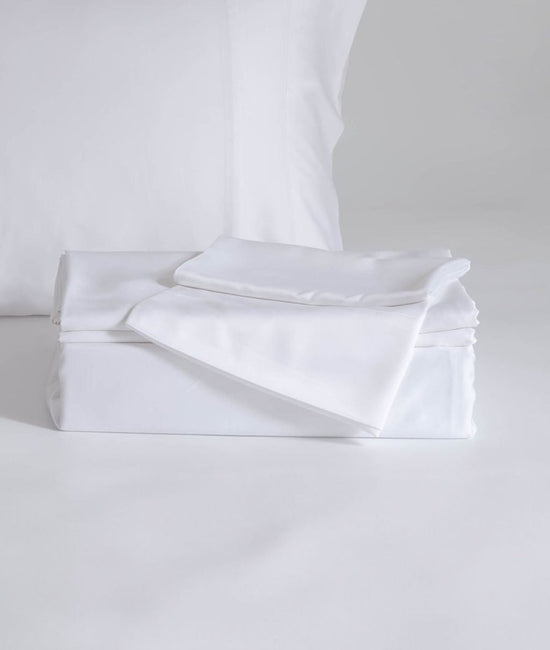
Soft, breathable, and moisture-wicking, Bamboo Sheets are ideal for transitional fall weather.
They help you stay comfortable under blankets without making the bed feel sticky or overheated.
🌿 Cooling Tencel Mattress Protector
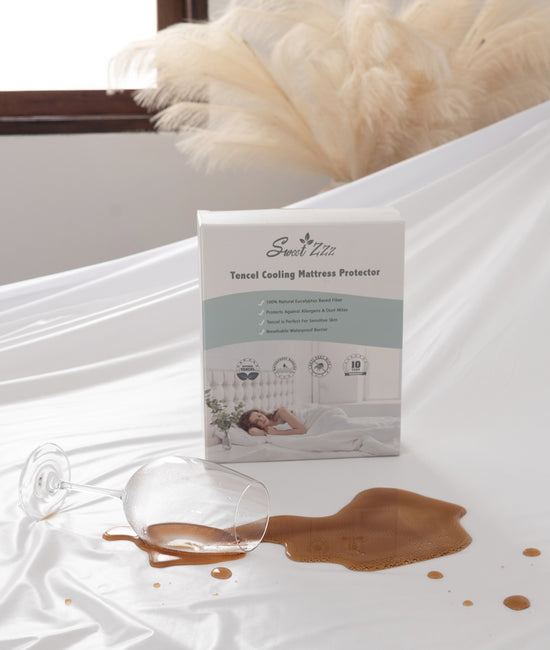
Helps protect your mattress from moisture, spills, and everyday buildup while keeping the sleep surface breathable and easier to maintain.
A cleaner, fresher surface matters when windows close and fall allergies pick up.
🌿 Plant-Based Pillow
Supports the head and neck so your upper spine can relax into better alignment.
Cooler mornings can already make the body feel stiff, so your pillow should not add more tension.
🌿 Organic Latex Topper
Helpful if your mattress is still supportive but feels too firm.
It adds pressure relief without taking away support, making cooler nights feel more comfortable.
🌿 Adjustable Base
Helps you read, relax, elevate your head or legs, and use massage before sleep.
It can make fall wind-down routines more comfortable and help reduce pressure before bed.
🌿 White Noise Machine
Helpful for sudden fall sounds, heating systems, apartment noise, wind, or a house that feels too quiet.
Steady sound can make the bedroom feel more predictable and calming.
The best cooler-weather sleep setup is not about adding more and more warmth.
It is about creating comfort that lasts all night.
Final Thoughts
Cooler fall nights can be wonderful for sleep.
But only when your setup is right.
The best fall sleep setup is cool, not cold.
Warm, but not overheated.
Cozy, but breathable.
Supportive, but pressure-relieving.
Dark at night, bright in the morning.
Fresh, clean, and calm.
Do not rush into heavy winter bedding too early.
Do not ignore morning stiffness.
Do not assume a cooler room fixes everything.
Look at the whole sleep system.
Room temperature.
Sheets.
Blankets.
Mattress.
Pillow.
Protector.
Air quality.
Light.
Sound.
Routine.
When all of those pieces work together, cooler fall nights can become what they are supposed to be.
A chance to sleep deeper.
Feel calmer.
And wake up feeling like your body finally settled into the season.