 800-811-7514
The Best Type of Stretching to Do Before Bed
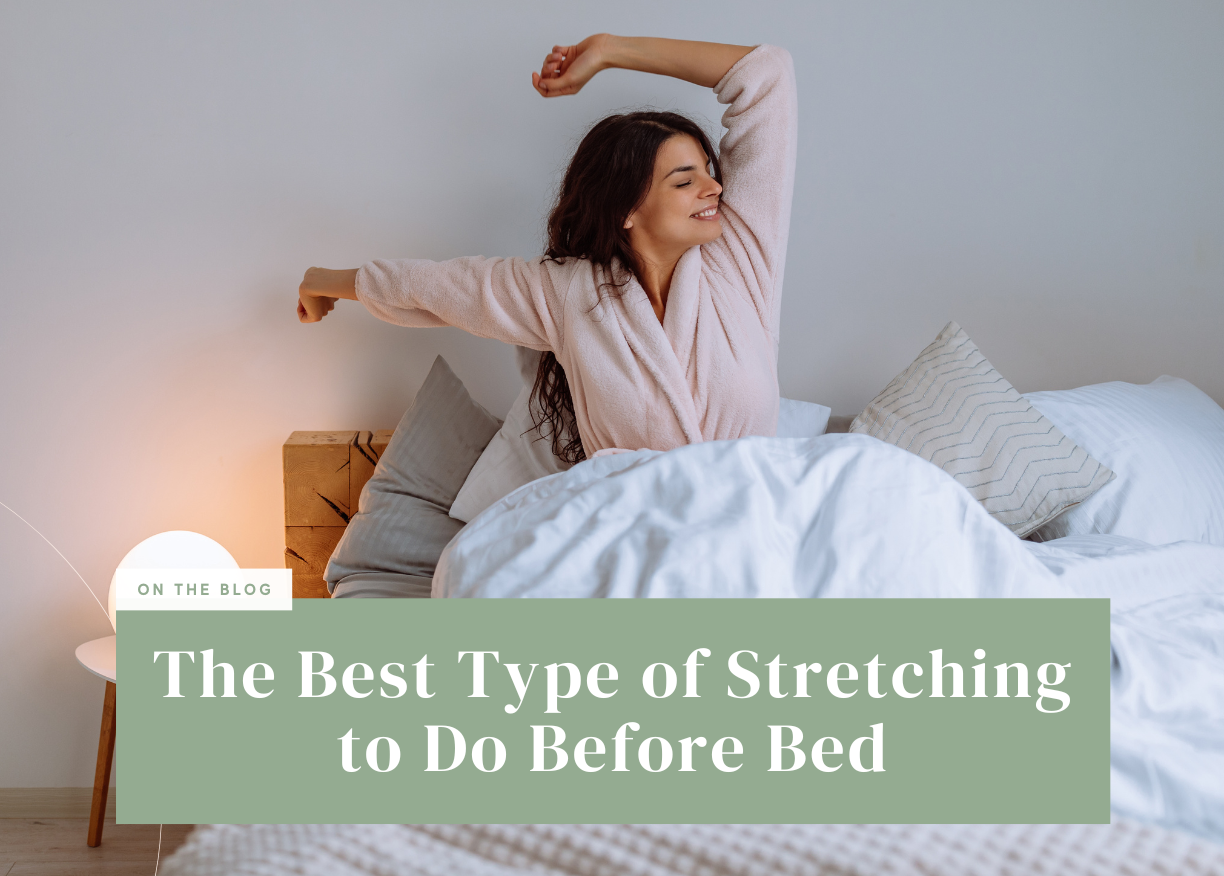

You get into bed.
Your body is tired.
But it does not feel relaxed.
Your shoulders are tight.
Your lower back feels stiff.
Your hips feel locked.
Your neck still carries the day.
So even though you want to sleep, your body feels like it is still holding on.
That is where stretching before bed can help.
Not intense stretching.
Not a workout.
Not pushing your body to become flexible overnight.
The best bedtime stretching is slow, gentle, and calming.
The goal is not performance.
The goal is telling your body:
The day is over. You can let go now.
Why Stretching Before Bed Can Help

Stretching does two useful things before sleep.
First, it helps release physical tension.
Second, it gives your mind something calm and simple to focus on.
That combination can make the transition into sleep feel easier.
Sleep Foundation notes that gentle stretching before bed may help reduce muscle tension, promote relaxation, and prepare the body for sleep.
This does not mean stretching is a cure for insomnia.
But it can be a helpful part of a bedtime routine, especially if your body feels tight, restless, or uncomfortable at night.
The Best Type of Stretching Before Bed

The best bedtime stretching is:
-
Gentle
-
Slow
-
Comfortable
-
Low effort
-
Paired with breathing
-
Focused on relaxation, not intensity
This is not the time for aggressive flexibility work.
You are not trying to force your hamstrings open.
You are not trying to test your limits.
You are trying to calm your nervous system and reduce tension.
Think of it less like exercise…
and more like a physical wind-down.
What to Avoid Before Bed

Not all stretching is ideal at night.
Before bed, avoid:
-
Bouncing
-
Forcing deep stretches
-
Painful positions
-
Intense yoga flows
-
Strong backbends
-
Fast movements
-
Anything that raises your heart rate too much
Harvard Health warns that stretching muscles before they are warmed up can cause injury, which is why gentle movement and not forcing the stretch matters.
A bedtime stretch should feel like relief.
Not strain.
If you are holding your breath, clenching your jaw, or pushing through pain, it is too much.
Why Gentle Stretching Works Better Than Intense Stretching at Night

Your body needs to move toward sleep.
That means lower stimulation.
Slower breathing.
Less tension.
Less effort.
Less alertness.
A hard workout before bed can leave some people energized instead of relaxed.
Harvard’s Nutrition Source notes that high-intensity exercise too close to bedtime has been linked with difficulty falling asleep and poorer sleep quality in a review of studies.
That does not mean evening movement is bad.
It means the type matters.
Before bed, choose stretching that slows you down instead of waking you up.
The Best Areas to Stretch Before Sleep

The most helpful bedtime stretches usually focus on the places where people carry tension all day.
1. Neck and Shoulders

Stress often lives here.
A tight neck and tense shoulders can make it harder to feel comfortable in bed.
Try gentle neck rolls, shoulder rolls, or a soft side-neck stretch.
Keep the movement slow.
Do not pull hard.
The goal is to release the day from the upper body.
2. Chest

Many people spend hours sitting, driving, texting, or working at a computer.
That can make the chest and front shoulders feel tight.
A gentle chest opener can help your shoulders relax backward instead of curling forward.
This can make lying down feel more natural.
3. Lower Back

The lower back often feels tight from sitting, standing, lifting, stress, or poor posture.
Gentle stretches like knees-to-chest or a simple spinal twist can help the lower back soften before sleep.
The key word is gentle.
Your back should feel supported, not forced.
4. Hips

Tight hips can make the whole body feel restless.
If your hips are tense, your lower back may also feel tight.
Gentle hip stretches can help side sleepers, back sleepers, and people who sit most of the day feel more comfortable when they lie down.
5. Hamstrings and Calves

The backs of the legs can become tight from walking, standing, sitting, or exercise.
A light hamstring or calf stretch may reduce that “tight body” feeling before bed.
But do not turn it into a flexibility test.
Hold softly.
Breathe slowly.
Let the body relax into it.
A Simple Bedtime Stretching Routine

You do not need 30 minutes.
You do not need special equipment.
Start with 5 to 10 minutes.
Try this:
1. Shoulder Rolls
Slowly roll your shoulders backward.
Then forward.
Let the neck relax.
Do this for 30–60 seconds.
2. Gentle Neck Stretch
Tilt one ear toward one shoulder.
Hold gently.
Switch sides.
Do not pull hard.
Let gravity do most of the work.
3. Child’s Pose
Sit back toward your heels and reach your arms forward.
Let your back soften.
Breathe slowly.
If this position is uncomfortable, skip it.
4. Knees-to-Chest
Lie on your back and gently bring both knees toward your chest.
Hold lightly.
Rock side to side if it feels good.
This can help release the lower back.
5. Reclined Spinal Twist
Lie on your back.
Let your knees fall gently to one side.
Keep the movement easy.
Then switch sides.
This can help release the back and hips.
6. Legs Up the Wall
Lie on your back and rest your legs up a wall.
Let your arms relax.
Breathe slowly.
This position should feel calming, not forced.
If it feels uncomfortable, skip it.
How Long Should You Hold Each Stretch?

You do not need to count perfectly.
A good range is about 20 to 60 seconds per stretch.
Long enough to relax.
Not so long that you become uncomfortable.
Breathe slowly while you hold.
If your breathing becomes tense, come out of the stretch.
Your breath is a good guide.
Should Stretching Hurt?

No.
Stretching before bed should not hurt.
You may feel mild tension.
You may feel tightness gradually soften.
But sharp pain, pinching, numbness, or tingling is a sign to stop.
Pain wakes the nervous system up.
That is the opposite of what you want before sleep.
If a stretch consistently hurts, choose a different one or talk to a healthcare professional, especially if you have an injury or chronic pain.
Stretching Works Best With Breathing

The stretch helps the body.
The breathing helps the nervous system.
Try making your exhale longer than your inhale.
For example:
Breathe in slowly.
Exhale even slower.
Harvard Health explains that relaxation techniques, including breathing exercises and progressive muscle relaxation, can be practiced as part of sleep hygiene.
The point is not complicated breathing.
The point is slowing the body down.
When the breath softens, the muscles often follow.
Stretching Is Not a Replacement for Sleep Hygiene

Stretching can help.
But it will not overcome every sleep problem.
If you stretch for 10 minutes and then scroll on your phone in bed for an hour, your brain may still feel stimulated.
If your room is too hot, your mattress is uncomfortable, or caffeine is still active in your system, stretching may not be enough.
Harvard Medical School’s sleep education program recommends easing the transition into sleep with relaxing activities before bed, such as reading, taking a bath, or practicing relaxation exercises.
Stretching works best as one part of a full wind-down routine.
Not the whole solution.
The Best Time to Stretch Before Bed

The best time is usually during your wind-down period.
About 15 to 30 minutes before sleep works well for many people.
You can stretch:
-
After a warm shower
-
Before reading
-
Before getting into bed
-
On the floor beside your bed
-
On top of the bed if the surface supports you
The timing is flexible.
What matters is consistency.
If your body learns that stretching means bedtime is near, the routine becomes a signal.
Who Should Be Careful With Bedtime Stretching?

Gentle stretching is safe for many people, but not everyone should do every stretch.
Be careful if you have:
-
Recent injuries
-
Severe back pain
-
Joint instability
-
Dizziness
-
Nerve pain
-
Surgery recovery
-
Pregnancy-related restrictions
-
Chronic medical conditions
If you are unsure, ask a healthcare professional which stretches are safe for you.
The goal is better sleep.
Not creating a new problem.
Why Your Sleep Setup Still Matters
Stretching can help your body relax before bed.
But your mattress and pillow decide what happens after that.
If your bed creates pressure, heat, poor alignment, or neck strain, your body may tighten again during the night.
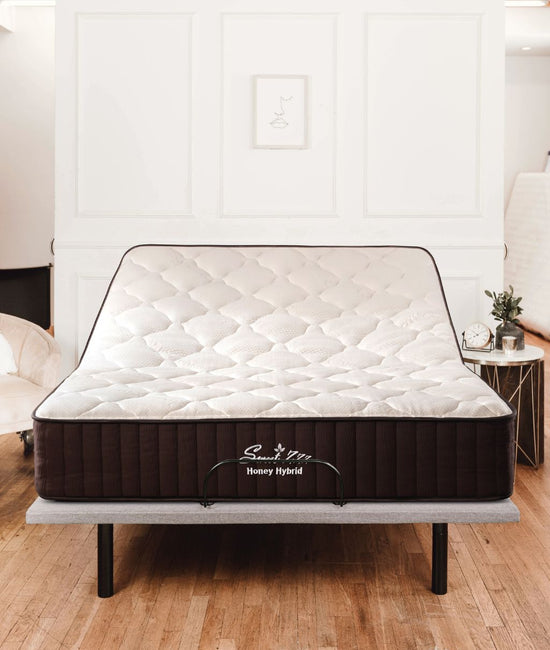
Designed to support spinal alignment and relieve pressure so your body can stay relaxed after your wind-down routine. The GOLS organic latex comfort layer responds to your body while the pocketed coils provide stable support.
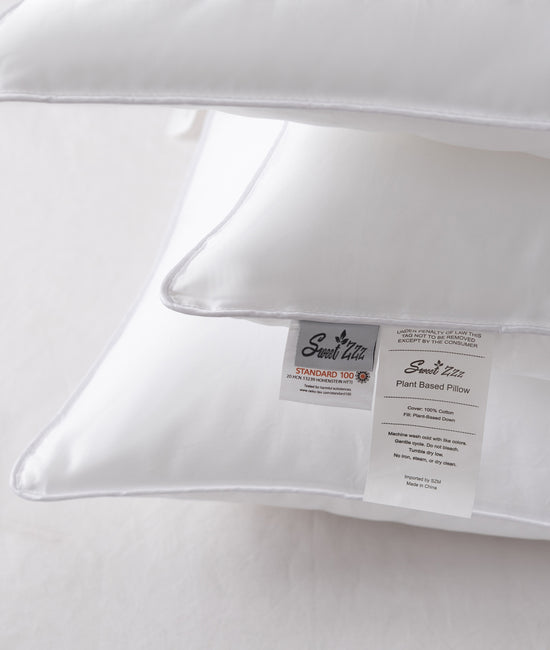
Helps support the head and neck so the tension you released before bed does not return from poor pillow alignment.
Soft, breathable, and moisture-wicking, they help keep the sleep surface cool and comfortable, especially after stretching or a warm shower.
A great addition to a bedtime routine. You can raise your head or legs, relax with massage, read comfortably, or ease into a more restful position without stacking pillows.
Stretching helps prepare the body for sleep.
The right sleep setup helps the body stay comfortable once sleep begins.
Final Thoughts
The best bedtime stretching is not intense.
It is not impressive.
It is not about flexibility.
It is about release.
Slow movements.
Gentle holds.
Relaxed breathing.
No pain.
No pressure.
Just a few minutes of telling your body:
You do not have to carry the day anymore.
And when you combine that with a cool, comfortable, supportive sleep environment, your body has a much easier time doing what it was meant to do.
Relax.
Recover.
And finally sleep.