 800-811-7514
What’s the Ideal Nap Length? Finding the Sweet Spot for Real Energy


A nap sounds simple.
You’re tired…
so you lie down.
But then one of two things happens:
You wake up refreshed…
or you wake up feeling worse.
Groggy.
Heavy.
More tired than before.
So what’s the difference?
It’s not the nap—it’s the timing and length.
First: Not All Naps Are Created Equal

A nap can either:
-
Boost your energy
-
Or disrupt your rhythm
The key is understanding how your sleep stages work.
Your Brain Cycles Through Sleep Stages

Even during a nap, your body moves through stages:
-
Light sleep
-
Deep sleep
-
REM sleep
If you wake up at the wrong stage—especially deep sleep—you feel disoriented.
That’s why some naps feel amazing… and others feel terrible.
The “Sweet Spot” Nap: 15–25 Minutes

This is the most effective nap range.
Why it works:
-
You stay in light sleep
-
You avoid deep sleep
-
You wake up easily
-
You feel refreshed, not groggy
This is often called a power nap.
What Happens If You Nap Longer?

30–60 Minutes
You may enter deeper sleep.
This can cause:
-
Sleep inertia (grogginess)
-
Slower thinking
-
Disorientation
60–90 Minutes

You complete a full sleep cycle.
This can work—but only if:
-
You have enough time
-
You wake at the right point
Otherwise, it can disrupt your nighttime sleep.
Timing Matters Just as Much as Length
The best time to nap is:
👉 Early afternoon (before 2–3 p.m.)
Why:
-
Your body naturally dips in alertness
-
It won’t interfere as much with nighttime sleep
Late naps reduce your sleep pressure—and make it harder to fall asleep later.
Why Some People Wake Up Feeling Worse

It’s usually because:
-
The nap was too long
-
It was taken too late
-
The body entered deep sleep
-
The sleep schedule is inconsistent
The nap isn’t the problem—the timing is.
Should You Nap Every Day?
It depends on your sleep quality.
If you:
-
Sleep well at night → naps are optional
-
Feel consistently tired → focus on improving nighttime sleep first
Naps help—but they don’t replace proper sleep.
How to Nap the Right Way

-
Set an alarm for 20 minutes
-
Nap in a comfortable, quiet space
-
Keep lighting low
-
Avoid long, unplanned naps
-
Use naps as support—not a solution
Why Nighttime Sleep Still Comes First
If your sleep at night is:
-
Interrupted
-
Too warm
-
Physically uncomfortable
-
Light
no nap will fully fix it.
The goal is:
👉 Better nights → less need for naps
Supporting Better Sleep So Naps Stay Optional
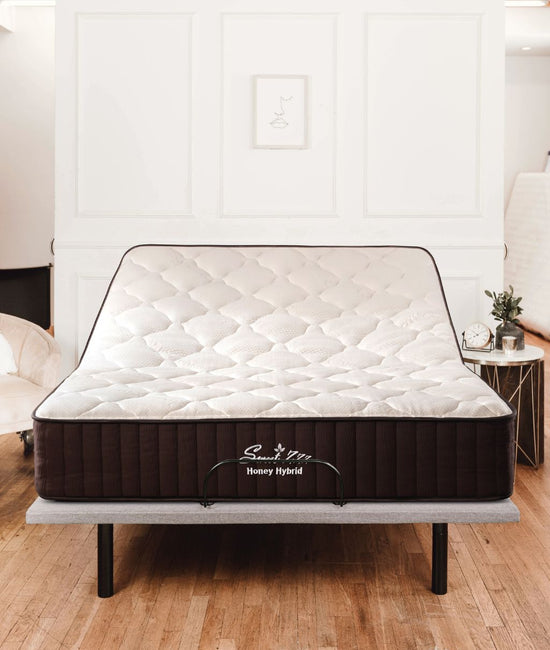
Honey Hybrid Mattress
Helps your body reach deeper, more restorative sleep—reducing daytime fatigue.
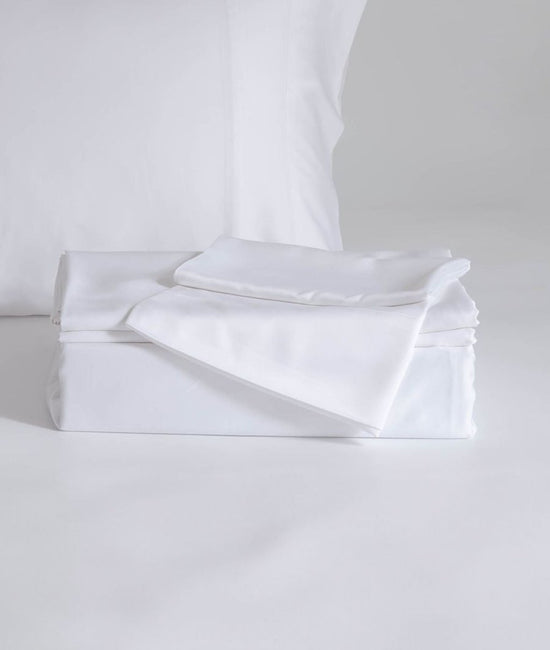
Bamboo Sheets
Keep your temperature stable, preventing restless nights.
Adjustable Base
Supports comfort and breathing, helping you stay asleep longer.
Better sleep at night means you don’t need to rely on naps to function.
Final Thoughts
The perfect nap isn’t long.
It’s intentional.
A short, well-timed nap can give you a real boost.
A long, mistimed one can throw off your entire night.
Find your sweet spot—and use it wisely.