 800-811-7514
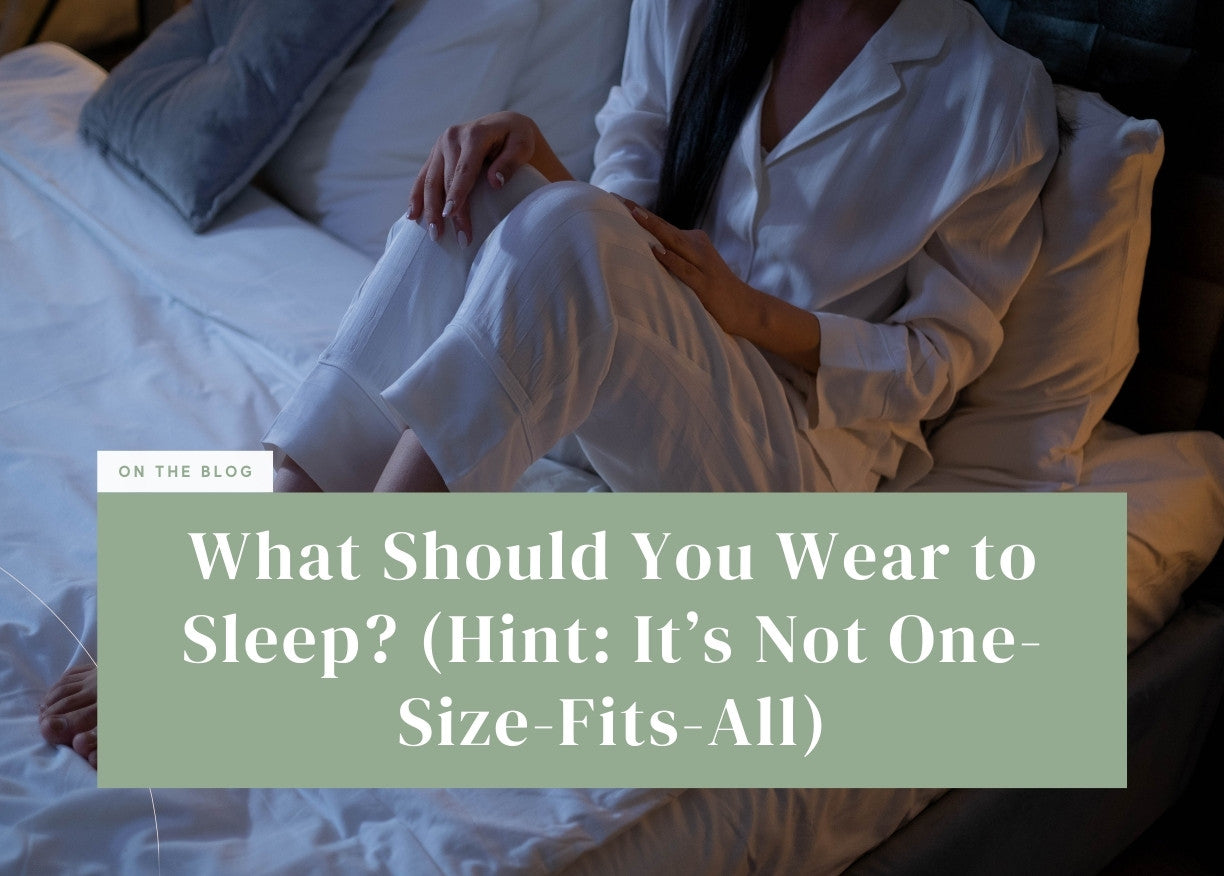
What Should You Wear to Sleep? (Hint: It’s Not One-Size-Fits-All)
It’s funny how we spend so much time picking out what to wear for the day… and barely think about what we wear for bed. Last week, I went from flannel pants and a hoodie to a light tee and boxers overnight because the weather flipped—and I slept 10x better. That’s when it hit me: sleepwear isn’t just about comfort… it’s about temperature, fabric, and even your health.
So what should you wear to sleep? The answer: it depends.
1. If You Sleep Hot: Go Bare or Breathable

If you tend to overheat or sweat at night, skip the layers.
-
Best picks: lightweight cotton or bamboo underwear, or just go nude
-
Why: less fabric = more airflow = lower body temperature
-
Bonus: Going commando (or nude) can reduce bacteria and moisture buildup
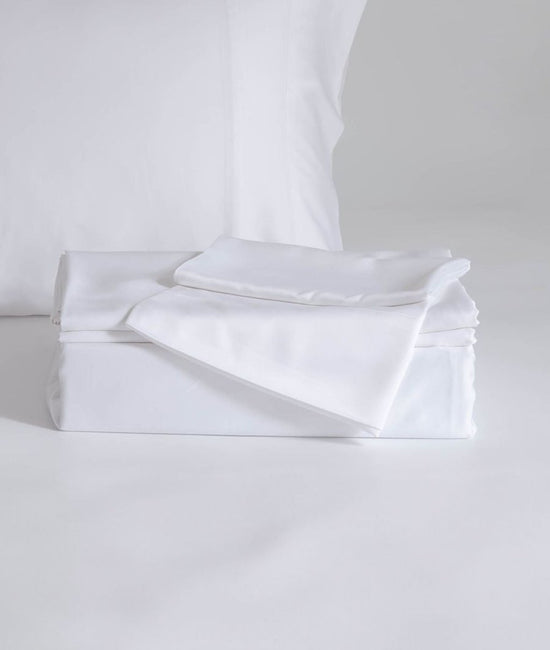
💡 Tip: Pair with breathable sheets like Sweet Zzz Bamboo Sheets to stay cool and dry.
2. If You Sleep Cold: Layer Smart, Not Heavy

More isn’t always better—especially if you wake up sweaty at 2 a.m.
-
Best picks: thermal base layers, long-sleeve bamboo PJs, warm socks
-
Why: natural fabrics trap warmth without locking in moisture
-
Avoid: heavy flannel or fleece that can trap too much heat
💡 Tip: Use layers you can peel off in the middle of the night if needed.
3. Sensitive Skin or Allergies? Go Natural

Your skin absorbs more than you think overnight. Synthetic fabrics can irritate or trap heat.
-
Best picks: organic cotton, bamboo, silk
-
Why: gentle on skin, hypoallergenic, and more breathable
-
Watch out for: polyester blends and tight elastic waistbands
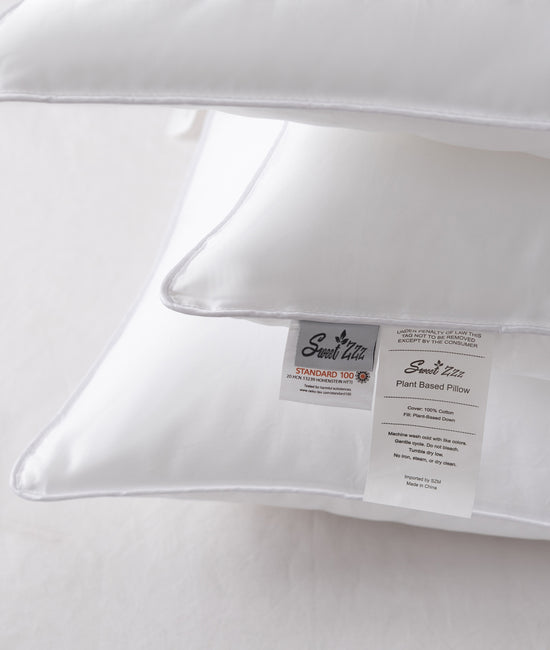
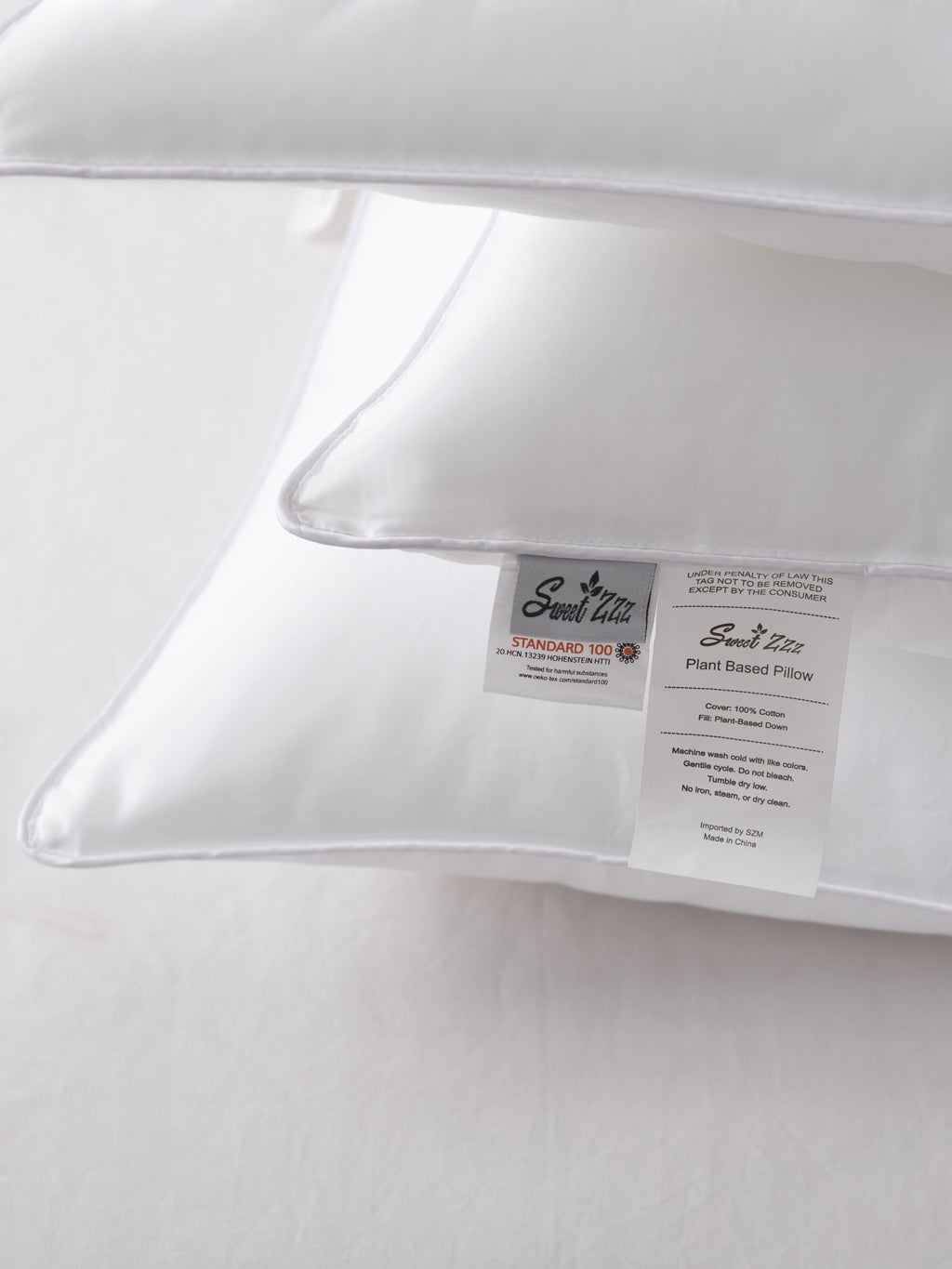
Our Plant-Based Pillow is another great option for sensitive sleepers—it’s breathable, hypoallergenic, and soft enough for nightly cuddles.
4. What About Compression or Weighted Sleepwear?

These are trending for anxiety relief—but they’re not for everyone.
-
Pros: can reduce restlessness and mimic the calming effect of a hug
-
Cons: may cause overheating or discomfort if too tight or heavy
Try them with caution, and avoid in warmer seasons.
5. Do Socks Help?

Yes—for cold feet or trouble falling asleep. Warming your feet helps your core body temp drop faster, which signals your brain it’s bedtime.
Final Thought
There’s no one “correct” thing to wear to bed. The best sleepwear depends on your body, your room, and your bedding. But if you’re waking up sweaty, itchy, or cold—it might be time to rethink your PJs.