
 800-811-7514
Why Do Some People Need Complete Silence to Sleep?

Some people can fall asleep anywhere.
A TV in the background.
Cars outside.
Someone moving around the house.
A little conversation in the next room.
They barely notice.
But for others, even the smallest sound feels impossible to ignore.
A dripping faucet.
A ticking clock.
A phone vibrating once.
A partner breathing loudly.
Suddenly, sleep feels out of reach.
So why do some people need complete silence to fall asleep?
And is it just a preference…
or is something deeper happening in the brain?
Your Brain Still Listens While You Sleep

Sleep may feel like the world turns off.
But your brain never fully stops monitoring your environment.
Even while you sleep, your brain continues listening for sounds that might matter.
That’s why a parent can sleep through traffic but wake up when their child coughs.
It’s also why an unfamiliar noise can wake you faster than a familiar one.
Your brain is always asking:
Is this safe?
Is this important?
Should I wake up?
For some people, that filter is more sensitive.
Some Sleepers Have a More Alert Nervous System

People who need silence are often not being “dramatic.”
Their nervous system may simply be more reactive at night.
Small sounds can trigger alertness, especially if someone is already:
-
Stressed
-
Anxious
-
Overstimulated
-
Overtired
-
Sleeping lightly
-
In an unfamiliar place
When the nervous system is on high alert, even harmless sounds can feel disruptive.
The body may be tired.
But the brain is still watching for danger.
Why Random Sounds Are Worse Than Steady Sounds

Not all noise affects sleep the same way.
A steady fan may feel calming.
But a sudden sound can be jarring.
That’s because unpredictable noises are harder for the brain to ignore.
For example:
-
A door closing
-
A dog barking
-
A car horn
-
Footsteps upstairs
-
A partner suddenly coughing
These sounds create a change in the environment.
And changes get attention.
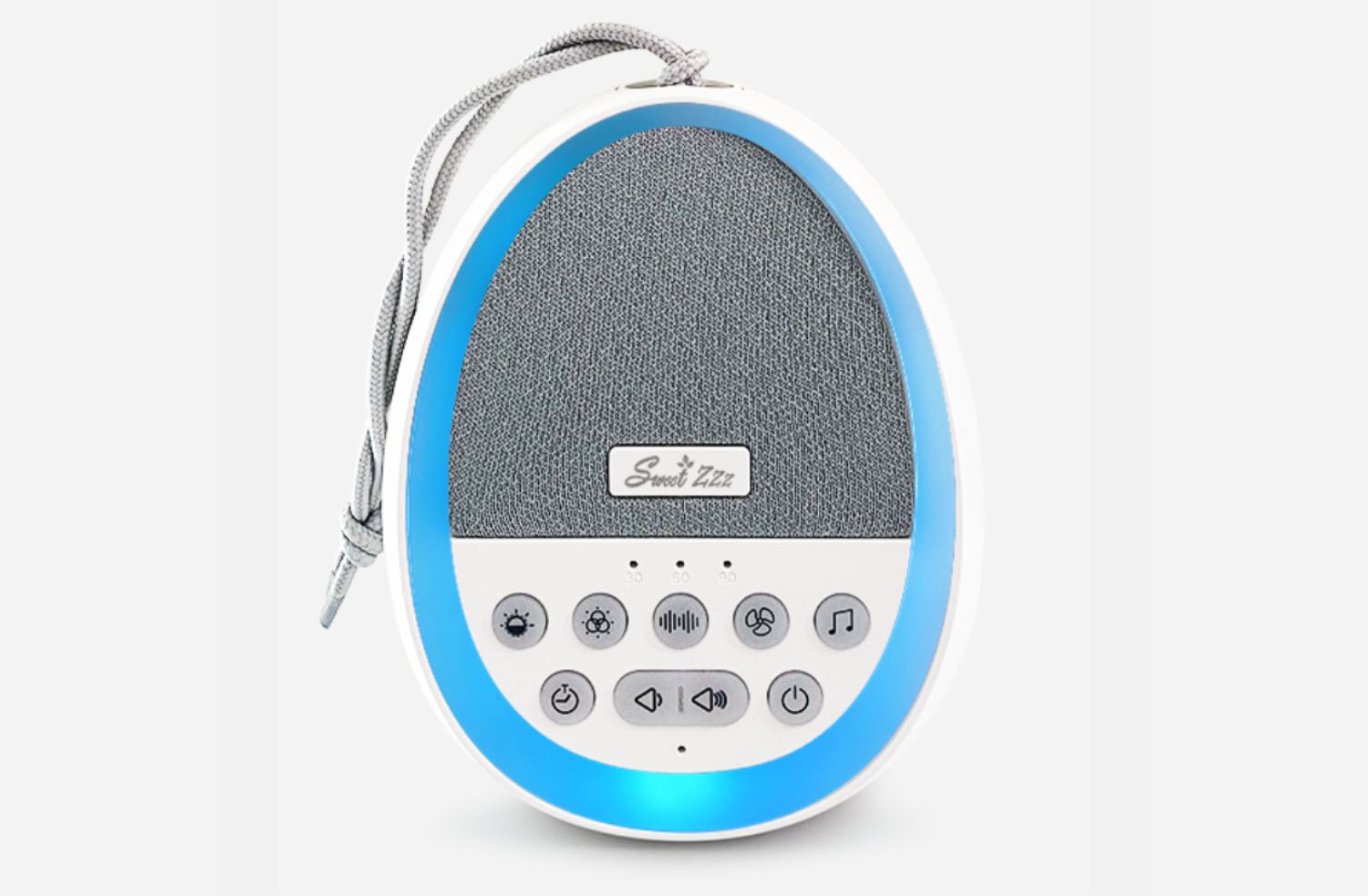
This is why some people sleep better with white noise, a fan, or soft background sound.
Not because silence is bad.
But because steady sound can help mask sudden interruptions.
Light Sleep Makes Noise More Noticeable

During lighter stages of sleep, you are easier to wake.
If you spend more of the night in light sleep, sounds may bother you more.
This can happen when you are:
-
Too hot
-
Uncomfortable
-
Stressed
-
Sleeping on a poor mattress
-
Drinking caffeine too late
-
Going to bed at inconsistent times
The more fragmented your sleep becomes, the more easily noise can pull you fully awake.
Silence Can Feel Like Safety

For some people, silence is not just about sound.
It’s about control.
A quiet room tells the nervous system:
Nothing needs my attention right now.
That feeling can help the body relax.
If someone has a busy day, a loud household, a stressful job, or a mind that runs constantly, silence may feel like the only time their brain can finally exhale.
In that case, needing silence is not strange.
It makes sense.
But Complete Silence Can Also Backfire

Here’s the interesting part.
For some people, total silence makes every tiny sound feel louder.
When the room is completely quiet, your brain may notice:
-
The refrigerator
-
Your heartbeat
-
Your breathing
-
A floor creak
-
A distant car
-
A partner turning over
Silence can make small sounds stand out.
That’s why a soft, consistent background sound sometimes helps more than perfect quiet.
The goal is not always silence.
The goal is calm.
What Helps If You’re Sensitive to Noise

1. Use Consistent Background Sound
A fan, white noise machine, or soft nature sounds can help mask sudden noises.
The key is consistency.
You want sound that blends into the room—not sound that demands attention.
2. Reduce Unpredictable Noise
Small changes can help:
-
Close the bedroom door
-
Use heavier curtains
-
Move ticking clocks out of the room
-
Silence phone notifications
-
Add soft rugs if sound echoes
-
Ask household members to lower noise near bedtime
You may not be able to control every sound.
But you can reduce the ones that happen most often.
3. Create a Stronger Wind-Down Routine
When your nervous system is calmer, sound bothers you less.
Try giving yourself 20–30 minutes before bed to slow down.
You can:
-
Dim the lights
-
Stretch gently
-
Read something calming
-
Take a warm shower
-
Put your phone away
-
Practice slow breathing
The quieter your mind becomes, the less reactive your body may feel.
4. Make the Bed More Comfortable
Noise is harder to ignore when your body is already uncomfortable.
If your mattress creates pressure, traps heat, or makes you toss and turn, your sleep becomes lighter.
And light sleep makes sound feel louder.
Comfort helps your body stay settled.
A settled body creates a calmer brain.
Why Your Sleep Environment Matters
If you are sensitive to noise, your whole bedroom should support calm.
A steady sound can help mask sudden interruptions, making the room feel more consistent and less reactive.
Balanced support and pressure relief help reduce tossing and turning, making it easier to stay asleep when small sounds happen.
Soft, breathable, and temperature-regulating, they help prevent overheating and discomfort that can push you into lighter sleep.
Proper neck support can help your body relax more fully, especially if tension or discomfort makes you more sensitive at night.
Better sleep is not only about blocking sound.
It’s about creating an environment where your body feels safe enough to let go.
Final Thoughts
Some people need silence because their brain is more sensitive to sound.
Some need it because their nervous system is stressed.
Some need it because they are light sleepers.
And some don’t actually need complete silence at all—they need a calm, steady environment that prevents sudden noise from taking over.
So if sound keeps you awake, don’t blame yourself.
Your brain is doing what it was designed to do:
Protect you.
The goal is simply to help it understand that bedtime is safe.
Quiet.
Comfortable.
Predictable.
And when your body feels safe, sleep has a much easier time finding you.