 800-811-7514
Why Sleep Feels Worse in Winter?(Even When You Do Everything Right)
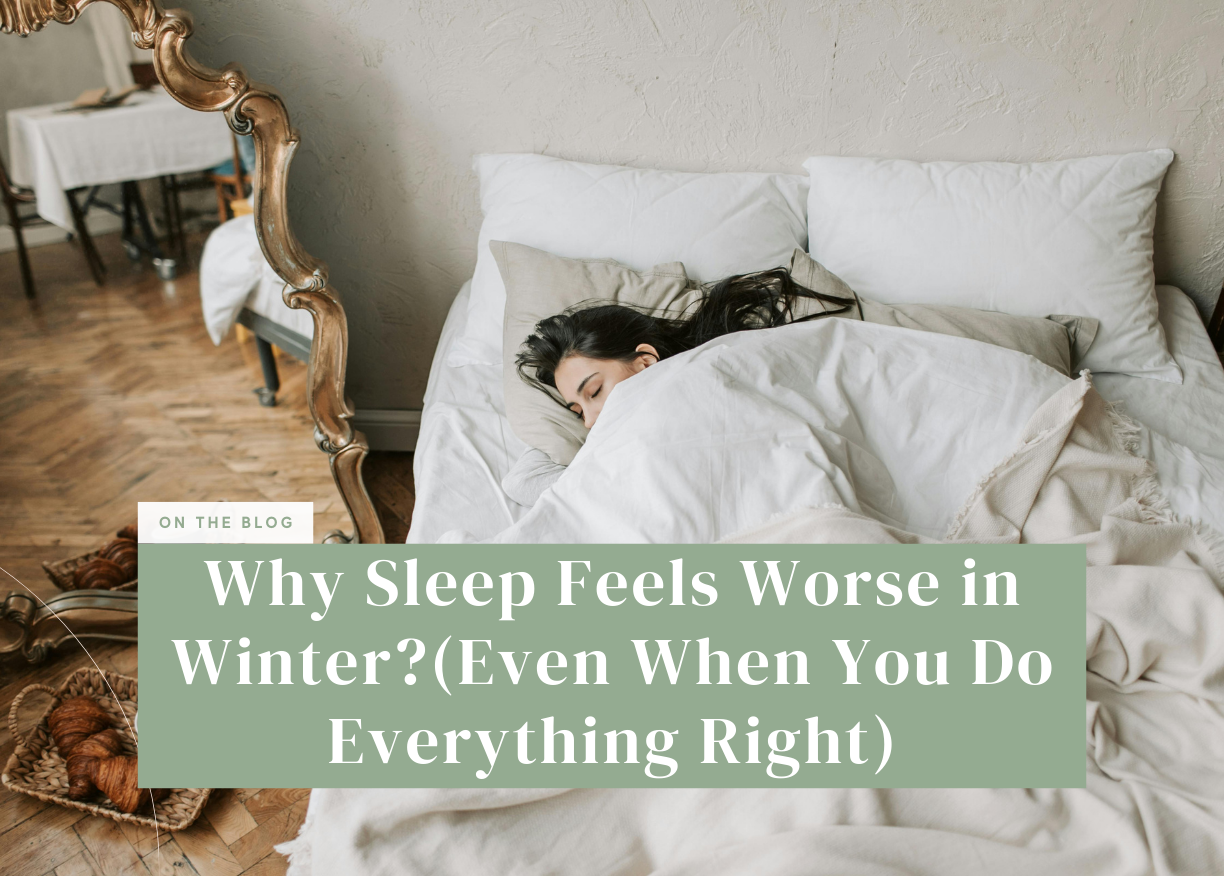

You go to bed on time.
You’re exhausted.
You’re doing “all the right things.”
And yet—sleep feels lighter, more restless, and less refreshing in winter.
You’re not imagining it.
Late winter is one of the hardest seasons for sleep, even for people who normally sleep well.
Here’s why winter quietly disrupts sleep—and what actually helps.

1. Shorter Days Confuse Your Internal Clock
Your body runs on light.
When daylight shrinks, your circadian rhythm loses its strongest signal.
In winter:
-
Morning light is weaker or delayed
-
Evenings get dark earlier
-
Indoor lighting replaces natural cues
This leads to a circadian “blur,” where your body struggles to know when to be alert and when to fully rest.

2. Melatonin Timing Shifts
Melatonin isn’t just about sleep—it’s about timing.
In winter, melatonin:
-
Is released earlier
-
Stays elevated longer
-
Can linger into the morning
This makes it easier to feel sleepy early—but harder to wake up refreshed.

3. Temperature Swings Disrupt Sleep Depth
Cold outdoor air + heated indoor rooms create unstable sleep environments.
Common winter issues:
-
Overheating under blankets
-
Dry, stuffy air
-
Cold extremities
-
Sudden temperature changes overnight
Your body wakes more often trying to regulate temperature—even if you don’t remember it.

4. Dry Air Affects Breathing
Winter air holds less moisture.
Dry air can cause:
-
Nasal irritation
-
Mouth breathing
-
Snoring
-
Shallow sleep
Even mild breathing resistance increases nighttime awakenings and reduces REM sleep.

5. Movement and Sunlight Decrease
Less daylight and colder weather often mean:
-
Less outdoor movement
-
Less exercise
-
Less sun exposure
All three are critical for sleep pressure and sleep depth.
6. Stress Builds Quietly
Winter carries:
-
End-of-year pressure
-
Financial stress
-
Social obligations
-
Seasonal mood shifts
Even when you feel “fine,” your nervous system may stay activated at night.
Why Winter Sleep Often Feels Light
Winter doesn’t always reduce sleep hours—it reduces sleep quality.
More awakenings.
Less deep sleep.
More early mornings.
You wake up feeling like you slept—but didn’t recover.

What Actually Helps Winter Sleep
1. Get morning light—daily
Even 10–15 minutes helps reset your clock.
2. Keep your bedroom cool (but stable)
Aim for 65°F (18°C) and avoid overheating with heavy bedding.
3. Use breathable sleep materials
Breathability matters more than warmth.
4. Move your body during daylight hours
Movement increases sleep pressure at night.
5. Keep evenings calm and dim
Reduce screens and bright lights earlier in winter.
Why Your Sleep Setup Matters More in Winter
Late winter exposes weaknesses in your sleep environment.
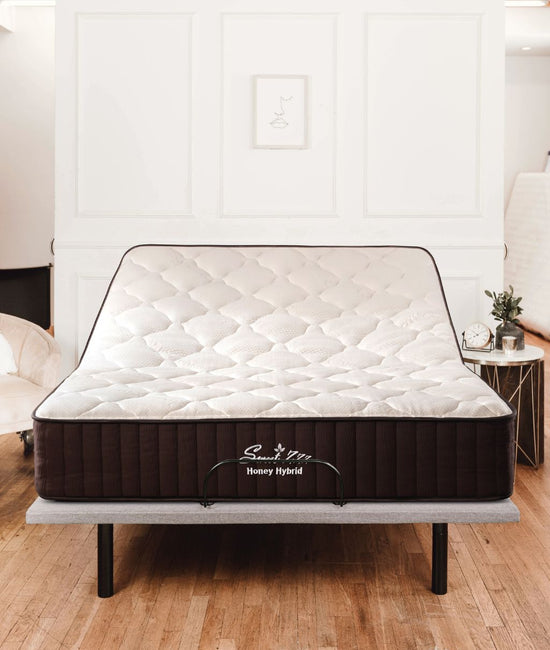
🌿 Honey Mattress
Breathable latex and coils help regulate temperature and reduce tossing—crucial when sleep is already lighter.
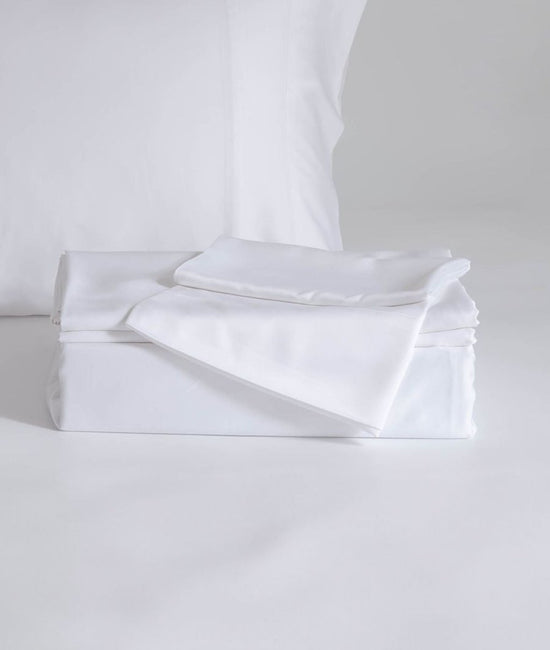
🌿 Bamboo Sheets
Moisture-wicking and temperature-balancing, preventing overheating and discomfort under winter blankets.
🌿 Adjustable Base
Supports better breathing and circulation with gentle elevation—especially helpful in dry winter air.
When your environment supports your body, winter sleep becomes easier again.
Final Thoughts
Winter sleep struggles aren’t a personal failure—they’re seasonal biology.
Your body is responding to less light, colder air, and a quieter but heavier season.
When you support those needs instead of fighting them, sleep improves—often quickly.
Winter doesn’t have to steal your rest.
It just requires a slightly different approach.