 800-811-7514
Why You Feel More Tired After Sleeping In

It seems like it should help.
You’re tired… so you sleep more.
You stay in bed longer.
You finally get extra rest.
And yet somehow—
you wake up feeling even worse.
Heavier.
Slower.
More tired than before.
So what’s going on?
Why does sleeping in sometimes make you feel more exhausted?
1. You Disrupt Your Internal Clock
Your body runs on rhythm.
When you wake up at the same time every day, your brain learns when to:
-
Release hormones
-
Raise body temperature
-
Increase alertness
Sleeping in—even by 1–2 hours—confuses that rhythm.
Your body doesn’t know when the day is supposed to start.
2. You Wake Up in the Wrong Sleep Stage

Sleep happens in cycles.
When you sleep in, you’re more likely to wake up:
-
In deep sleep
-
Mid-cycle
-
Without a natural wake signal
This leads to sleep inertia—that heavy, groggy feeling that can last for hours.
3. Your Body Already Got What It Needed

If you slept enough overnight, extra time in bed doesn’t always mean better recovery.
Instead, it can:
-
Make you feel sluggish
-
Reduce alertness
-
Lower motivation
More sleep isn’t always better—better sleep is.
4. It Reduces Sleep Pressure for the Next Night

Sleep pressure builds the longer you’re awake.
When you sleep in:
-
You wake up later
-
You feel less sleepy at night
-
You delay your next bedtime
This can create a cycle:
👉 Sleep in → Stay up later → Sleep worse → Sleep in again
5. You Miss Your Morning Light Signal
Morning light helps regulate your circadian rhythm.
When you sleep in, you miss that early light exposure—which affects:
-
Alertness
-
Hormone balance
-
Sleep timing
Your entire day feels slightly off.
6. It Can Increase Mental Fog
Sleeping longer than needed can sometimes:
-
Reduce mental sharpness
-
Slow reaction time
-
Make you feel less focused
It’s not rest—it’s overshooting your rhythm.
When Sleeping In Does Help

There are exceptions.
Sleeping in can be useful if:
-
You had a truly short night (not just a bad one)
-
You’re recovering from acute sleep deprivation
-
You’re sick or physically drained
Even then, it’s best kept moderate—not extreme.
What to Do Instead of Sleeping In
1. Wake Up Close to Your Usual Time
Even after a bad night, consistency helps reset your rhythm faster.
2. Use Short Naps Instead
A 15–25 minute nap can restore energy without disrupting your schedule.
3. Go to Bed Slightly Earlier That Night
Let your body recover naturally instead of forcing it in the morning.
Why Sleep Quality Matters More Than Extra Hours

If your sleep is:
-
Fragmented
-
Too warm
-
Physically uncomfortable
-
Light
you’ll feel tired—even after sleeping longer.
That’s why many people try to “fix” fatigue by sleeping in…
instead of improving how they sleep.
Supporting More Restful Nights
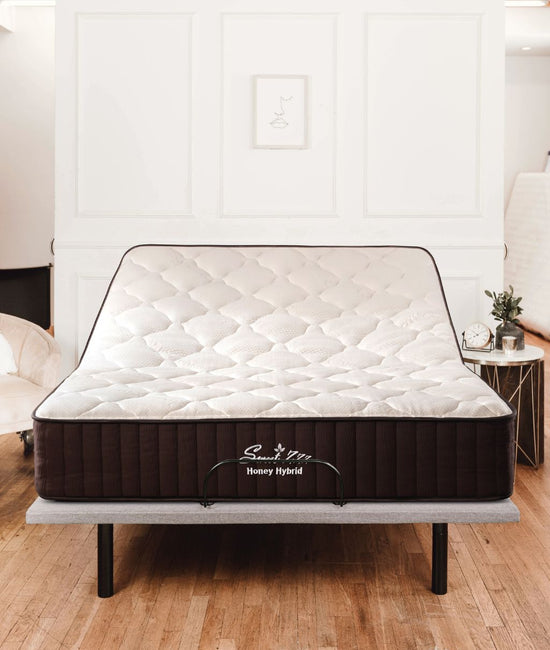
🌿 Honey Hybrid Mattress
Provides stable support that reduces tossing and helps your body stay asleep longer.
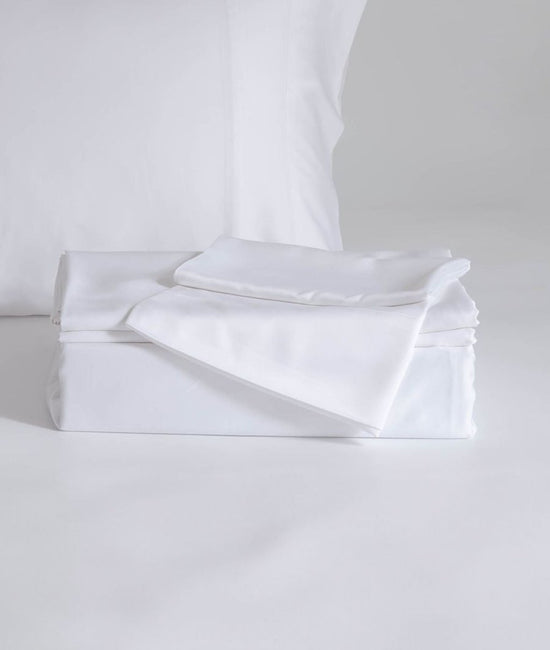
🌿 Bamboo Sheets
Regulate temperature—preventing overheating that leads to restless sleep.
🌿 Adjustable Base
Supports comfortable positioning, helping your body fully relax and recover overnight.
Better sleep at night makes sleeping in unnecessary.
Final Thoughts
Sleeping in feels like the solution—but often, it’s part of the problem.
Your body doesn’t need random extra hours.
It needs consistency.
When your rhythm is stable, you wake up clearer—
without needing to stay in bed longer to feel better.