 800-811-7514
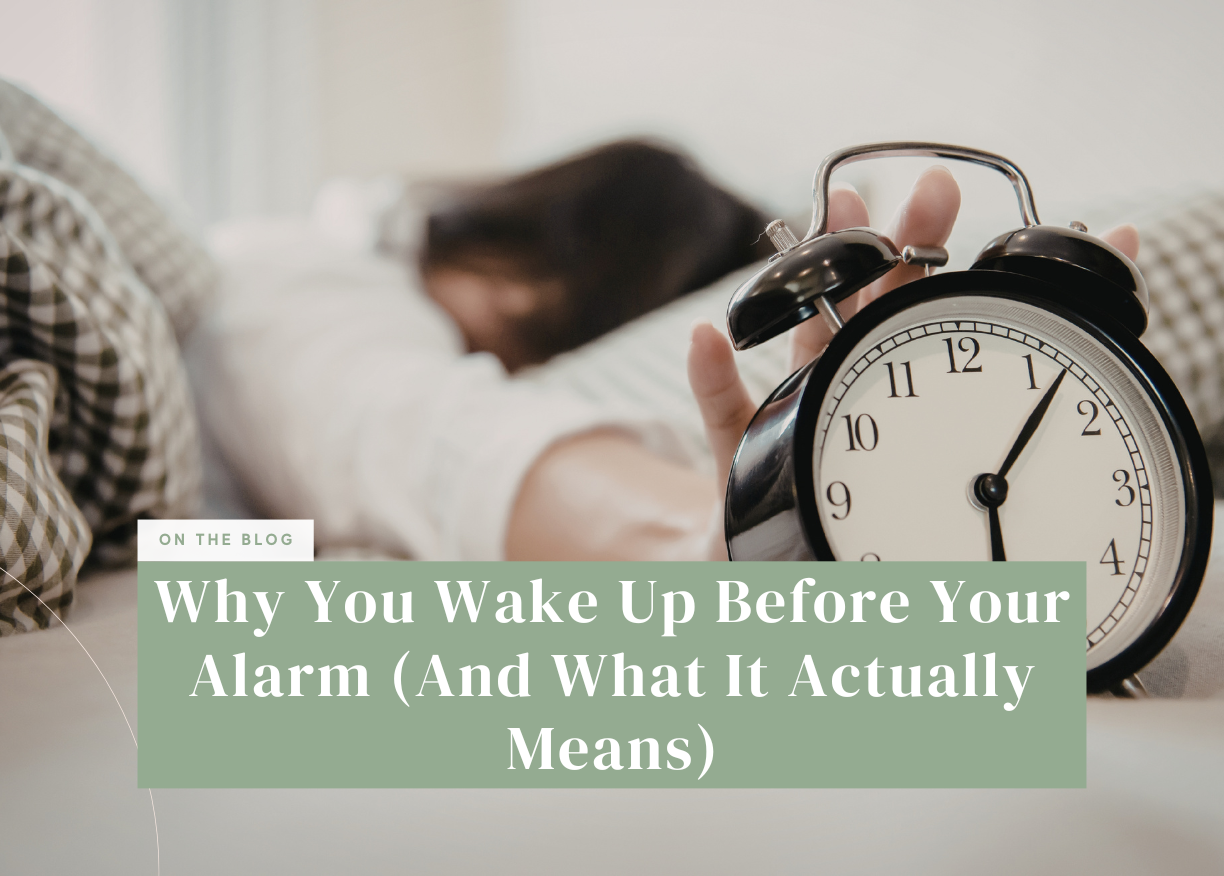
Why You Wake Up at 4 A.M. and Can’t Fall Back Asleep


It happens like clockwork.
You wake up…
check the time…
and it’s always around 4 a.m.
You’re still tired.
You want to go back to sleep.
But your mind turns on.
And no matter what you try…
you’re just awake.
So what’s going on?
Why does your body wake you up so early—and refuse to let you fall back asleep?
First: 4 A.M. Is a Sensitive Time for Your Body

The early morning hours are a transition period.
Around 3–5 a.m., your body:
-
Starts raising cortisol (your alertness hormone)
-
Begins preparing for waking
-
Enters lighter stages of sleep
This makes you more vulnerable to waking up.
1. Stress Shows Up the Most at This Time

Even if you feel “fine” during the day, your body may still carry stress.
At 4 a.m.:
-
There are no distractions
-
Your mind is quiet
-
Thoughts feel louder
This is when:
-
Worries surface
-
Overthinking begins
-
Your brain becomes alert
2. Your Sleep Is Naturally Lighter

The second half of the night has more:
-
REM sleep
-
Light sleep stages
That means:
-
You wake up more easily
-
Small disturbances affect you more
Even slight discomfort or noise can wake you fully.
3. Cortisol May Be Rising Too Early

Cortisol helps wake you up in the morning.
But if it rises too early—due to stress or imbalance—you may wake up before your body is ready.
This can feel like:
👉 Sudden alertness
👉 Racing thoughts
👉 Inability to relax again
4. Blood Sugar Can Drop Overnight

If your body runs low on energy during the night, it may release adrenaline to stabilize.
That adrenaline can wake you up.
This is more likely if:
-
You ate very late
-
You had a high-sugar meal
-
You didn’t eat enough earlier
5. Your Body Learned the Pattern

If this has happened repeatedly, your brain may now expect it.
It becomes:
👉 A habit
👉 A rhythm
Even small triggers will wake you at the same time.
Why You Can’t Fall Back Asleep

Waking up isn’t the only issue.
The real problem is what happens next:
-
You check the clock
-
You start thinking
-
You try to force sleep
And that creates:
👉 Frustration
👉 Mental alertness
👉 Even more wakefulness
What Actually Helps

1. Don’t Check the Time
Knowing it’s 4 a.m. creates pressure.
2. Stay Calm Instead of Trying to Sleep
Relaxation brings sleep back faster than effort.
3. Reduce Evening Stress
What you carry into the night shows up in the early morning.
4. Stabilize Your Sleep Environment
Small disruptions matter more during light sleep.
5. Keep Your Wake Time Consistent
This helps reset your rhythm over time.
Why Your Sleep Setup Still Matters
At 4 a.m., your sleep is fragile.
Even small discomfort can wake you.
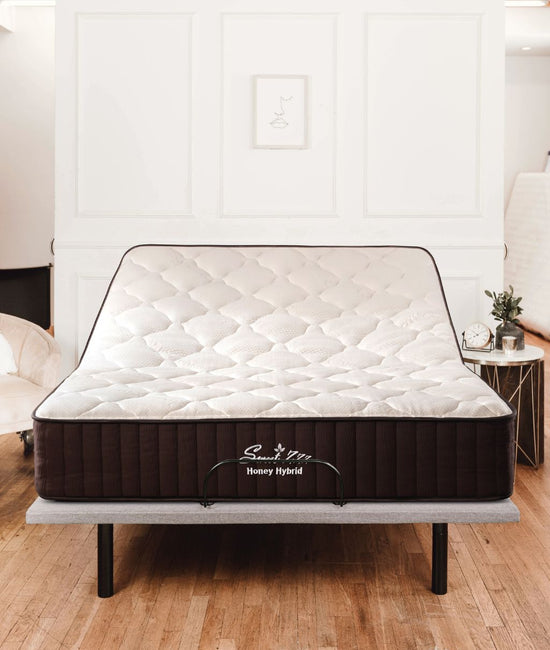
Honey Hybrid Mattress
Reduces pressure and movement—helping you stay in deeper sleep longer.
Bamboo Sheets
Prevent overheating, a common trigger for early wake-ups.
Adjustable Base
Supports comfortable positioning, reducing physical triggers for waking.
When your body stays stable, your sleep becomes more stable.
Final Thoughts
Waking up at 4 a.m. isn’t random.
It’s your body responding to timing, stress, and patterns.
The goal isn’t forcing yourself back to sleep.
It’s removing what’s waking you up in the first place.
And when that happens…
those early mornings often disappear on their own.