 800-811-7514
Why You Wake Up Before Your Alarm (And What It Actually Means)
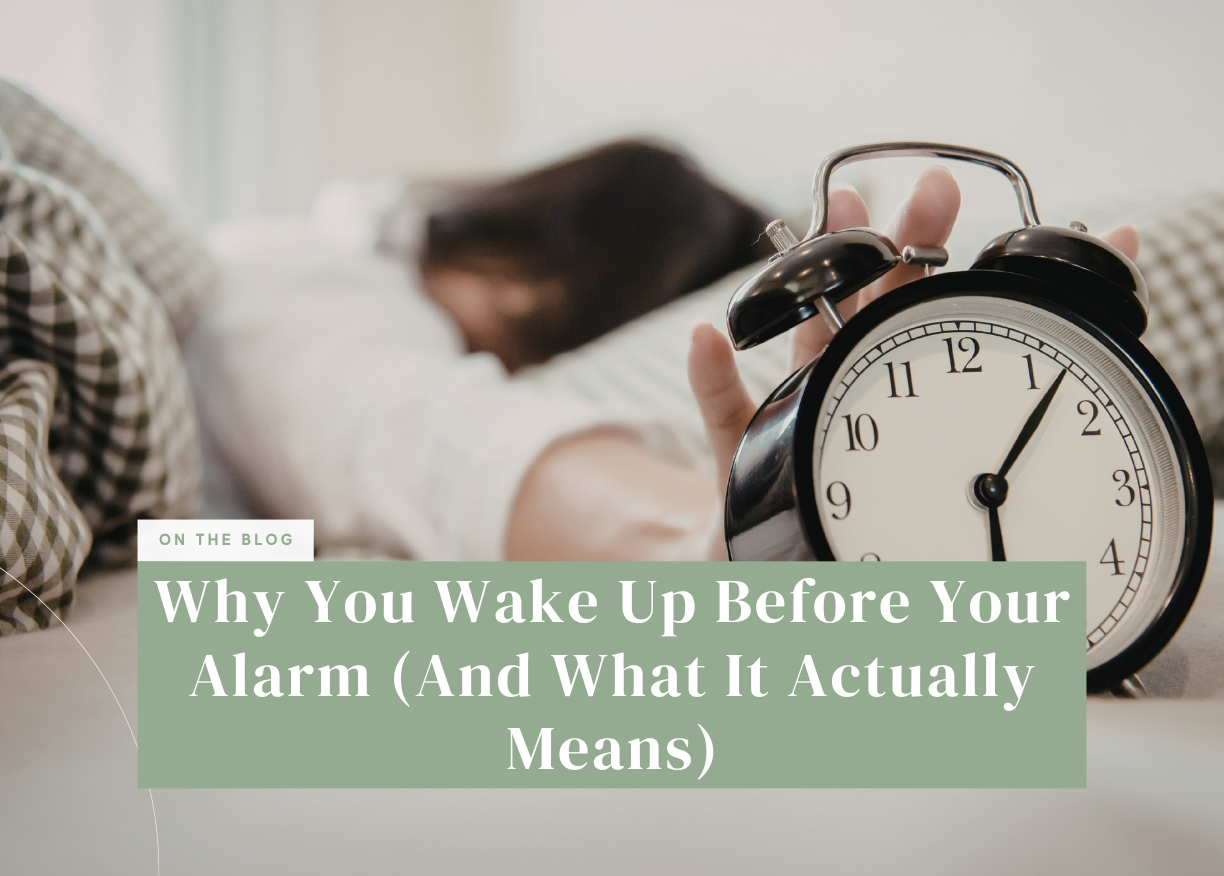

You set your alarm for 7:00 a.m.
But at 6:42…
your eyes open.
No sound.
No disturbance.
Just… awake.
And it happens again.
And again.
So you start wondering:
Why does my body wake up before my alarm?
Is it a good sign… or a problem?
First: Your Body Has Its Own Alarm

Your brain runs on an internal clock—your circadian rhythm.
This clock controls:
-
Sleep timing
-
Hormone release
-
Body temperature
-
Wakefulness
When it’s consistent, your body can wake up on its own—sometimes even before your alarm.
When Waking Up Early Is a Good Sign

If you:
-
Feel rested
-
Wake up naturally
-
Don’t struggle to get out of bed
-
Have stable energy during the day
then waking up before your alarm usually means:
👉 Your sleep cycle is well-aligned
👉 Your body is finishing sleep naturally
In this case, your alarm becomes unnecessary.
When It’s Not a Good Sign

If you wake up early and feel:
-
Tired
-
Groggy
-
Frustrated
-
Unable to fall back asleep
then something else is likely happening.
Common Reasons You Wake Up Too Early
1. Stress and Cortisol Spikes
In the early morning, cortisol naturally rises to wake you up.
If stress is elevated, this rise can happen too early—pulling you out of sleep.
2. Light Exposure

Even small amounts of light can signal your brain that it’s time to wake up.
This includes:
-
Sunrise light
-
Streetlights
-
Device screens
Your brain is very sensitive to morning light.
3. Sleep Schedule Is Slightly Off
If you go to bed too early or inconsistently, your body may complete its sleep cycles earlier than expected.
4. Sleep Becomes Lighter Toward Morning
The second half of the night has more REM and lighter sleep.
This makes you more sensitive to:
-
Noise
-
Movement
-
Temperature
-
Internal signals
5. Age and Hormonal Changes
As people age, circadian rhythms often shift earlier.
This naturally leads to earlier wake times.
Why It Happens at Almost the Same Time
Your body loves repetition.
If you wake at the same time a few days in a row, your brain can “lock in” that pattern.
Even small triggers become predictable.
Should You Try to Go Back to Sleep?

If you feel rested:
👉 Get up and start your day.
If you feel tired:
👉 Stay relaxed, keep lights low, and give your body a chance to drift back.
Avoid:
-
Checking the clock
-
Getting frustrated
-
Forcing sleep
The calmer you stay, the more likely sleep returns.
How to Prevent Early Wake-Ups (If They’re a Problem)
1. Adjust Your Bedtime Slightly Later
If you’re waking too early, you may be going to bed too early.
2. Block Early Light
Use blackout curtains or reduce light exposure in the early morning.
3. Lower Evening Stress
Calmer nights lead to more stable mornings.
4. Improve Sleep Depth
Deeper sleep reduces sensitivity to early awakenings.
Why Your Sleep Environment Still Matters
Early wake-ups are often triggered by small disruptions.
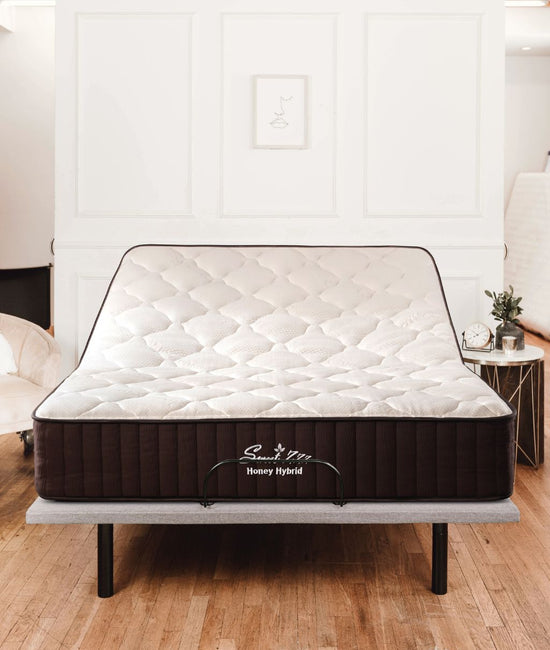
🌿 Honey Hybrid Mattress
Supports deeper, more stable sleep—so your body stays in restful stages longer.
🌿 Bamboo Sheets
Help regulate temperature, preventing early wake-ups caused by overheating.
🌿 Adjustable Base
Supports comfortable positioning that reduces physical triggers for waking.
When your sleep is deeper, your mornings become more predictable.
Final Thoughts
Waking up before your alarm isn’t random.
It’s your body responding to timing, light, stress, and rhythm.
Sometimes it’s a sign everything is working well.
Other times, it’s a signal that something is slightly off.
The key is how you feel when you wake up.
Because in the end, the goal isn’t sleeping until the alarm.
It’s waking up feeling ready—whether the alarm rings or not.