 800-811-7514
Can Poor Sleep Increase Cancer Risk? What We Actually Know

Sleep affects almost everything in the body.
Energy.
Mood.
Hormones.
Immunity.
So it’s natural to ask a deeper question:
Can poor sleep actually increase the risk of serious diseases like cancer?
The answer isn’t simple—but research does show a meaningful connection.
First: Sleep Is When the Body Repairs Itself

During sleep, your body:
-
Repairs damaged cells
-
Regulates hormones
-
Strengthens the immune system
-
Reduces inflammation
This nightly recovery process is essential for long-term health.
When sleep is consistently disrupted, these systems don’t work as efficiently.
What Research Suggests About Sleep and Cancer Risk

Studies have found associations between:
-
Chronic sleep deprivation
-
Disrupted circadian rhythms
-
Night shift work
and an increased risk of certain cancers.
For example, long-term disruption of sleep patterns—especially in shift workers—has been linked to higher risks of breast, prostate, and colorectal cancers.
It’s important to note:
This doesn’t mean poor sleep causes cancer directly.
But it may contribute to conditions where the body is less protected.
Why Sleep Matters for Cancer Risk
1. Melatonin Plays a Protective Role

Melatonin isn’t just a sleep hormone.
It also:
-
Acts as an antioxidant
-
Helps regulate cell growth
-
Supports immune function
Light exposure at night and poor sleep can reduce melatonin production.
Lower melatonin levels may weaken some of the body’s natural defenses.
2. Immune Function Depends on Sleep
Your immune system identifies and removes abnormal cells.
When sleep is poor:
-
Immune response weakens
-
Inflammation increases
-
Cellular repair slows
Over time, this may affect how the body handles potential health risks.
3. Circadian Rhythm Disruption Affects the Whole Body
Your circadian rhythm controls:
-
Hormones
-
Metabolism
-
Cell cycles
When this rhythm is consistently disrupted (like with irregular sleep or night shifts), it can interfere with normal biological processes.
Why Consistency Matters More Than Perfection

Occasional poor sleep is not the issue.
The concern comes from:
-
Long-term sleep deprivation
-
Irregular schedules
-
Frequent nighttime disruptions
Your body can handle short-term changes—but not constant imbalance.
What You Can Do to Support Healthy Sleep

1. Keep a Regular Sleep Schedule
Go to bed and wake up at consistent times.
2. Reduce Light Exposure at Night
Dim lighting helps maintain melatonin production.
3. Prioritize Sleep Quality
Continuous, deep sleep supports better recovery.
4. Support Your Circadian Rhythm
Morning light and consistent routines strengthen your internal clock.
Why Your Sleep Environment Still Matters
Good sleep isn’t just about time—it’s about quality.
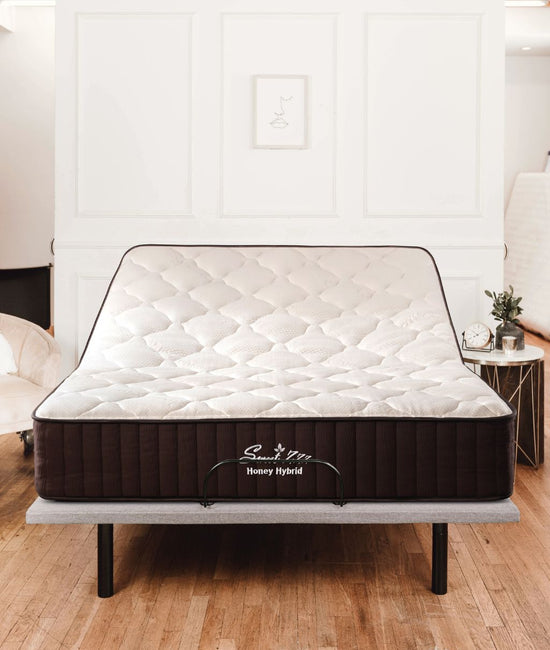
🌿 Honey Hybrid Organic Mattress
Supports deeper, uninterrupted sleep—allowing the body to complete its natural repair processes.
🌿 Bamboo Sheets
Help regulate temperature, reducing sleep interruptions.
🌿 Adjustable Base
Supports comfort and breathing, helping your body stay in restorative sleep longer.
Better sleep supports better recovery—and better long-term health.
Final Thoughts
Sleep is not a cure—and it’s not a guarantee.
But it is one of the most consistent ways your body protects itself.
Poor sleep doesn’t automatically lead to serious illness.
But over time, it can reduce the body’s ability to stay balanced and resilient.
Taking sleep seriously isn’t just about feeling better tomorrow.
It’s about supporting your health for years to come.