 800-811-7514
How Dangerous Is Sleep Deprivation? And Why Does It Matter So Much?

Most people treat sleep deprivation like a minor inconvenience.
Something you “push through.”
Something coffee can fix.
Something you’ll catch up on later.
But sleep deprivation isn’t just about feeling tired.
It quietly affects nearly every system in your body—and over time, the consequences become very real.
Not dramatic overnight.
Not obvious at first.
But cumulative, powerful, and deeply disruptive.

What Counts as Sleep Deprivation?
Sleep deprivation doesn’t only mean staying up all night.
It also includes:
- Sleeping fewer than 7 hours regularly
- Fragmented or interrupted sleep
-
Inconsistent sleep schedules
- Shallow sleep that never reaches deep stages
You can technically “sleep” every night and still be sleep deprived.
Why the Body Takes Sleep Loss So Seriously

Sleep is when your body:
- Repairs tissues
- Regulates hormones
- Clears waste from the brain
- Balances emotions
- Strengthens the immune system
When sleep is cut short, these processes don’t finish.
Over time, unfinished recovery becomes dysfunction.
The Real Risks of Chronic Sleep Deprivation

1. It Impairs Brain Function
Even mild sleep loss reduces:
- Focus
- Memory
-
Reaction time
- Decision-making
Your brain works harder for worse results.
And the scary part? You often don’t notice how impaired you are.
2. It Raises Stress and Anxiety

Sleep deprivation keeps cortisol elevated.
That leads to:
- Heightened anxiety
- Emotional reactivity
- Irritability
-
Feeling constantly “on edge”
The nervous system never fully resets.
3. It Weakens the Immune System

When sleep is shortened, immune cells become less effective.
People who are chronically sleep deprived:
- Get sick more often
- Take longer to recover
- Respond less effectively to vaccines
Sleep is immune protection—not optional rest.
4. It Disrupts Metabolism and Hormones

Poor sleep alters:
- Blood sugar regulation
- Hunger hormones
-
Insulin sensitivity
This increases the risk of:
- Weight gain
- Type 2 diabetes
- Cravings and energy crashes
Sleep deprivation changes how your body processes food.
5. It Increases Cardiovascular Strain

Chronic sleep loss raises:
- Blood pressure
- Heart rate
- Inflammation
Over time, this puts added stress on the heart and blood vessels—especially when combined with stress or poor recovery.
6. It Slows Physical Recovery
Muscle repair, tissue healing, and inflammation control all depend on deep sleep.
Without it:
- Pain lingers longer
- Injuries heal slower
- Fatigue compounds
The body stays in “repair backlog” mode.
Why Sleep Deprivation Feels Manageable at First

Sleep loss doesn’t hit like a switch—it creeps in.
You adapt by:
- Relying on caffeine
- Accepting lower energy as normal
- Lowering your expectations for focus and mood
But adaptation isn’t resilience—it’s compensation.
Why Quality Sleep Matters as Much as Quantity

Many people assume more hours will fix everything.
But fragmented or uncomfortable sleep can leave you deprived even with enough time in bed.
Common quality disruptors include:
- Pressure points
- Overheating
- Poor breathing
- Frequent awakenings
- Stress-related restlessness
Which brings us to environment.
Why Your Sleep Setup Matters for Recovery

When sleep is deep and uninterrupted, the body recovers faster—even if total hours aren’t perfect.
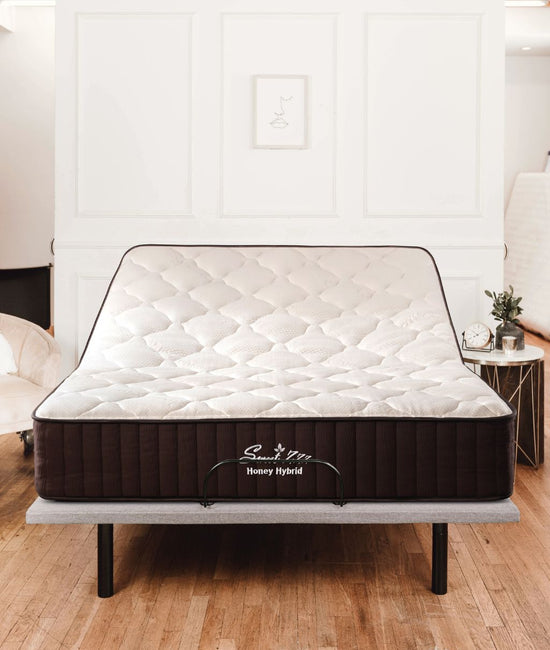
🌿 Honey Hybrid Mattress
Supports the body evenly, reducing pressure points and nighttime movement that fragment sleep.
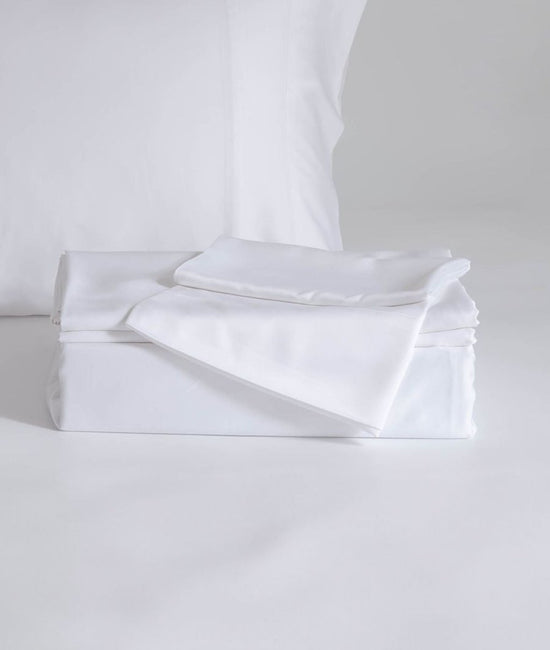
🌿 Bamboo Sheets
Help regulate temperature and moisture, preventing overheating that pulls you out of deeper sleep stages.
🌿 Adjustable Base
Improves breathing, circulation, and comfort through gentle elevation—helping your body stay asleep longer and recover more fully.
Sleep deprivation isn’t always about staying up too late.
Often, it’s about sleep that never fully restores.
Final Thoughts
Sleep deprivation is dangerous not because of one bad night—but because of what happens when recovery never quite finishes.
- The body keeps score.
- The brain keeps adapting.
- And eventually, the cost shows up.
Sleep isn’t time away from life.
It’s what allows life to function properly.
Protecting your sleep is one of the most powerful health decisions you can make.