 800-811-7514
Can Sleeping Too Much Be a Sign of Something More

We often hear about not getting enough sleep.
But what about the opposite?
Sleeping 9… 10… even 11 hours—
and still feeling tired.
At first, it seems harmless.
Even beneficial.
More sleep should mean more rest… right?
Not always.
Sometimes, sleeping too much is your body trying to tell you something.
First: What Counts as “Too Much” Sleep?

For most adults:
👉 7–9 hours is the typical healthy range
Occasionally sleeping longer is normal.
But consistently needing:
-
9+ hours
-
Feeling tired despite long sleep
can be a sign to pay attention.
1. Your Sleep Quality Might Be Low

This is the most common reason.
If your sleep is:
-
Interrupted
-
Too warm
-
Physically uncomfortable
-
Light instead of deep
your body doesn’t fully recover.
So it tries to compensate by:
👉 Sleeping longer
2. Your Body May Be Catching Up

After periods of poor sleep, your body may need more rest.
This can happen after:
-
Stress
-
Travel
-
Illness
-
Irregular sleep patterns
But this should be temporary—not constant.
3. It Can Be Linked to Mental Fatigue

Mental and emotional strain can increase your need for rest.
You may notice:
-
Low motivation
-
Brain fog
-
Wanting to stay in bed longer
Your body is trying to recover—not just physically, but mentally.
4. It May Signal an Underlying Issue

In some cases, excessive sleep is linked to:
-
Chronic fatigue
-
Mood-related conditions
-
Hormonal imbalance
-
Sleep disorders
If sleep feels long and unrefreshing, it’s worth paying attention.
5. Your Sleep Schedule May Be Misaligned

If your timing is off:
-
You may sleep longer than needed
-
Still feel out of sync
-
Wake up feeling heavy
It’s not just about how long you sleep—
it’s when and how consistently.
Why You Still Feel Tired After Sleeping More

More sleep doesn’t always mean better sleep.
If your sleep lacks:
-
Deep sleep
-
Continuity
-
Proper conditions
your body doesn’t reset fully.
So you wake up feeling:
👉 Heavy
👉 Foggy
👉 Unrested
When to Take It Seriously

It may be worth looking closer if:
-
You regularly sleep 9+ hours
-
You still feel tired during the day
-
Your energy doesn’t improve
-
Your sleep feels unrefreshing
This doesn’t mean something is wrong—
but it’s worth understanding.
What Actually Helps

1. Focus on Sleep Quality First
Better sleep reduces the need for more sleep.
2. Keep a Consistent Schedule
Stability helps your body regulate naturally.
3. Improve Your Sleep Environment
Small disruptions can lead to longer—but worse—sleep.
4. Pay Attention to Patterns
Consistency tells you more than one night ever will.
Why Your Sleep Setup Still Matters
If your sleep is low quality, your body will keep asking for more.
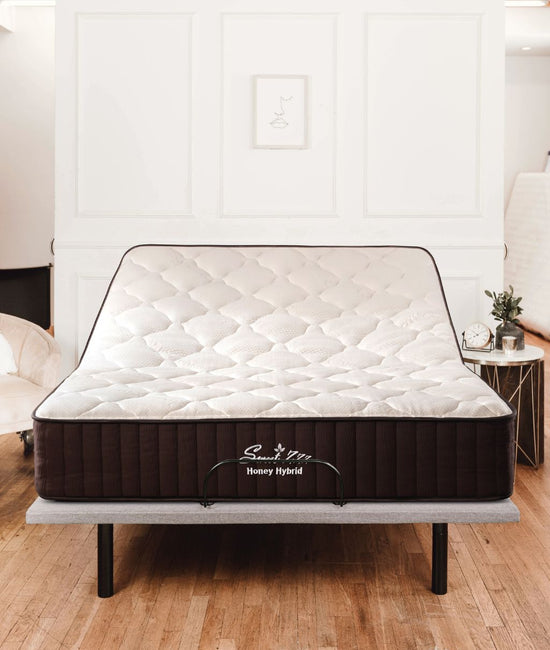
Honey Hybrid Mattress
Helps your body stay supported and reduces movement—improving sleep depth.
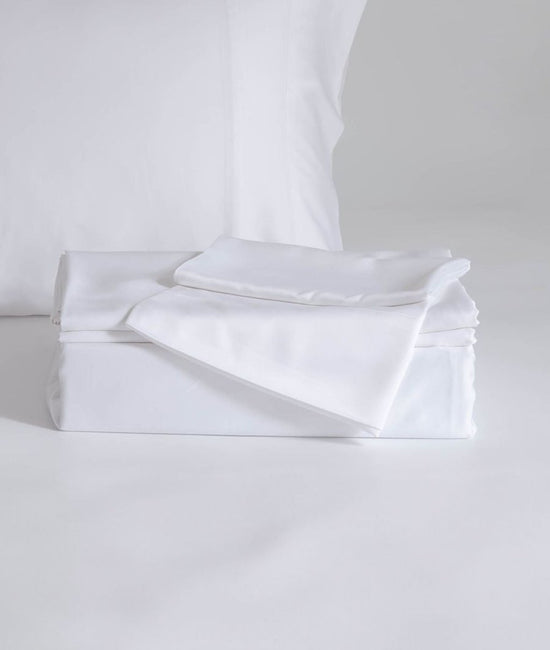
Bamboo Sheets
Keep your temperature stable, preventing interruptions.
Adjustable Base
Supports comfortable positioning, helping you stay asleep longer.
Better sleep means less need to oversleep.
Final Thoughts
Sleeping more isn’t always better.
Sometimes it’s a signal—not a solution.
Your body isn’t asking for more time.
It’s asking for better recovery.
And when that improves,
you often need less sleep—not more.