 800-811-7514
Do You Have Night Eating Syndrome? (And What It’s Doing to Your Sleep)
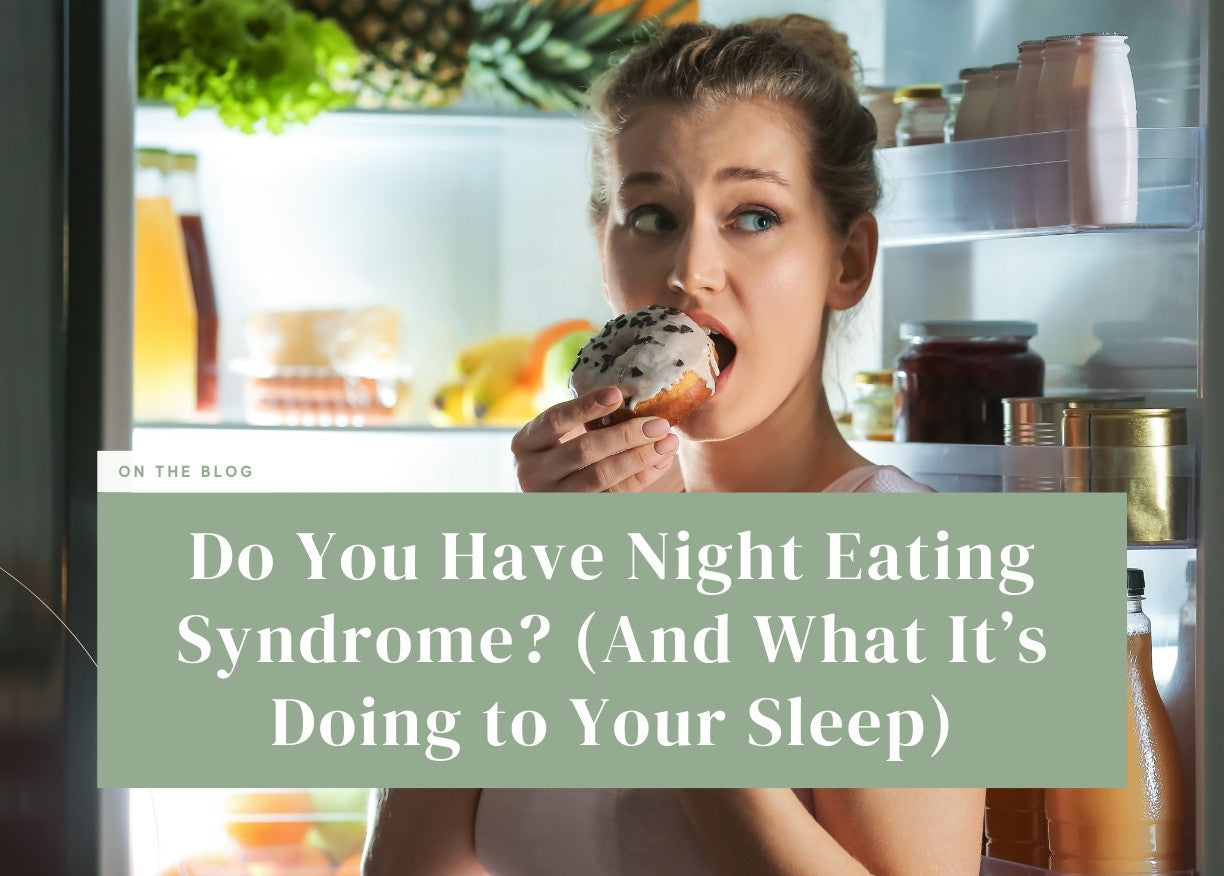

Last week, I woke up at 2:00 AM and wandered into the kitchen—not for water, but for a snack.
I wasn’t really hungry. It was more of a compulsion.
Turns out, a lot of people quietly deal with this kind of nighttime eating—and many don’t even realize it’s a condition.
It’s called Night Eating Syndrome (NES), and it’s more common than you think.
Let’s break down what it is, how to know if you have it, and why it’s not just about willpower.
What Is Night Eating Syndrome?

NES is a condition where people eat a large portion of their daily calories at night—either after dinner or by waking up to eat.
Unlike a midnight snack here and there, this happens regularly and often includes:
-
Lack of appetite in the morning
-
Strong cravings at night
-
Difficulty falling back asleep after eating
-
Guilt or distress around nighttime eating
It’s not the same as binge eating. It’s more about disrupted hunger rhythms and sleep cycles.
What Causes It?

It’s often linked to:
-
Stress & anxiety
-
Disrupted circadian rhythms
-
Poor sleep habits
-
Hormonal imbalances (like leptin & ghrelin)
-
Depression
Your body’s clock gets thrown off—and it starts confusing night with mealtime.
How It Hurts Your Sleep (and Health)

Eating at night doesn’t just affect digestion—it impacts your sleep in a few major ways:
-
Disrupts melatonin production
-
Spikes insulin and blood sugar before bed
-
Causes restless sleep & frequent wakeups
-
May lead to weight gain, fatigue, and even type 2 diabetes over time
Waking up tired, groggy, and guilty becomes a cycle that’s hard to break.
How to Break the Cycle
If this sounds familiar, here’s what helps:
-
Set a bedtime routine: Going to bed at the same time every night resets your body clock.

-
Eat more during the day: Especially protein and healthy fats, to feel satisfied.

-
Cut screen time 1 hour before bed: Blue light increases cravings.

-
Use light therapy in the morning: Helps correct circadian rhythm.

-
Don’t starve yourself during the day: It almost always backfires at night.

-
Consider therapy: NES often ties into emotional or psychological patterns.

And most importantly—fix your sleep environment.

💡 At Sweet Zzz, our Honey Hybrid Organic Mattress and cooling bamboo sheets are designed to help you fall asleep faster and stay asleep—so your body doesn’t wake up thinking it’s snack time.