 800-811-7514
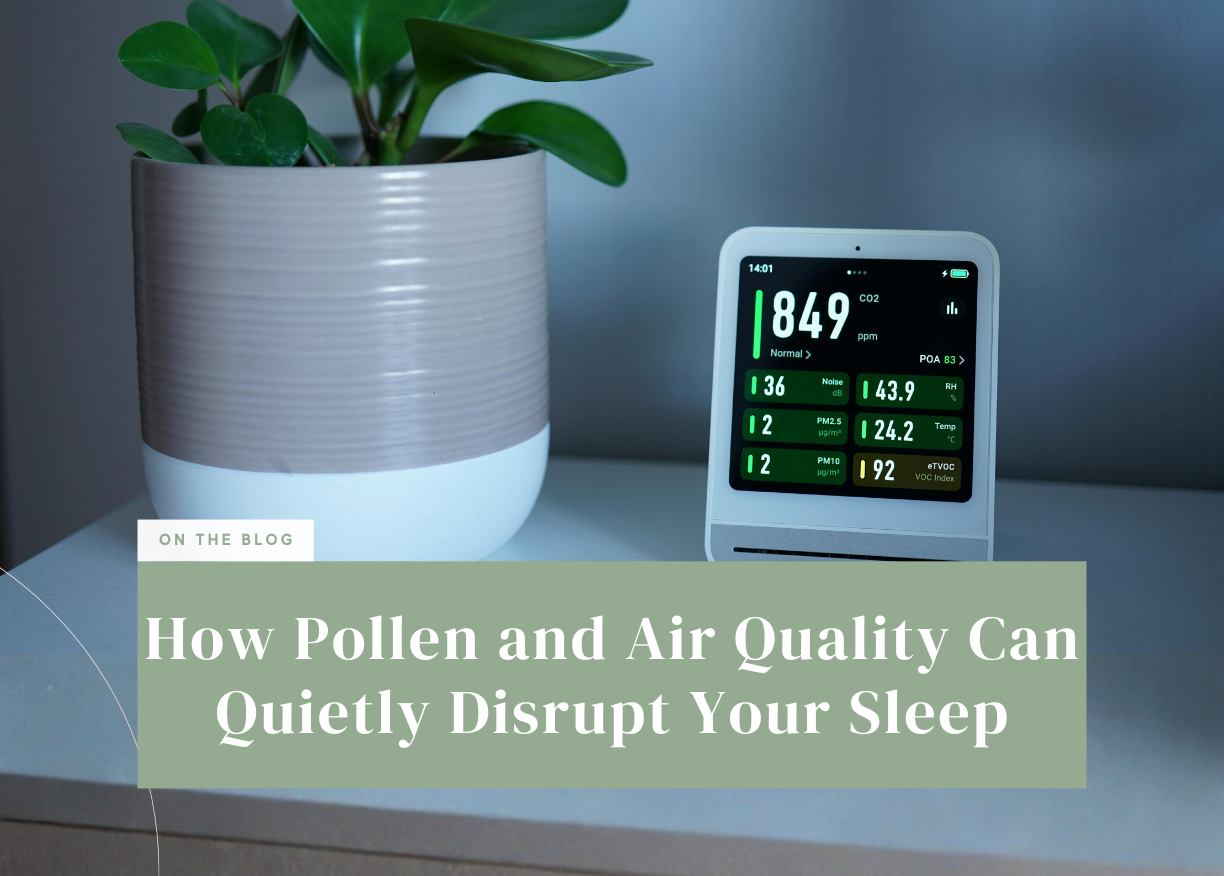
Does Your Bedroom Air Quality Affect Your Sleep?


You think about your mattress.
You think about your pillow.
Your sheets.
Your room temperature.
The noise outside.
The light coming through the window.
But there is one part of the bedroom most people barely think about:
The air.
The air you breathe all night can quietly affect how comfortable your sleep feels.
If your bedroom is stuffy, dusty, humid, dry, full of allergens, or poorly ventilated, your body may have a harder time settling into deep, comfortable rest.
You may wake up congested.
With a dry throat.
With itchy eyes.
With a cough.
With a heavy, stale feeling in the room.
And suddenly, sleep does not feel as refreshing as it should.
So yes, bedroom air quality can affect sleep.
Not always dramatically.
But enough that it deserves attention.
Why Bedroom Air Matters

You spend hours in your bedroom every night.
Breathing the same air.
Resting against the same bedding.
Sleeping near the same dust, fabrics, humidity, and ventilation patterns.
If that environment irritates your nose, throat, skin, or breathing, your sleep can become lighter and more interrupted.
Sleep Foundation notes that indoor air quality may play a meaningful role in sleep quality, and that improving air quality often starts with reducing pollution sources, increasing ventilation, and using air filtration when needed. (Sleep Foundation)
The goal is not to make your bedroom feel sterile.
The goal is to make it easier for your body to breathe, relax, and stay asleep.
1. Stuffy Air Can Make Sleep Feel Heavy

A bedroom can feel stuffy when air does not circulate well.
You may notice it more when:
-
The door stays closed all night
-
Windows are never opened
-
The room feels stale in the morning
-
The air feels thick or still
-
The room gets warm quickly
-
You wake up feeling groggy or congested
Ventilation helps replace stale indoor air with fresher air and can help reduce indoor pollutants. Sleep Foundation includes improved ventilation among the ways to improve bedroom air quality. (Sleep Foundation)
That does not mean you always need to sleep with a window open.
Weather, safety, outdoor pollution, noise, and allergies all matter.
But your bedroom should not feel sealed and stagnant every night.
2. Dust Can Irritate Sleep

Dust is not just dirt.
It can contain dead skin cells, fibers, pollen, pet dander, dust mite particles, and other tiny irritants.
If you are sensitive to dust, your bedroom may trigger:
-
Sneezing
-
Congestion
-
Itchy eyes
-
Runny nose
-
Coughing
-
Throat irritation
-
More restless sleep
Mayo Clinic explains that dust mites are commonly found in bedding, upholstered furniture, and carpeting, and that dust mite allergy can cause symptoms like sneezing, runny nose, itchy eyes, nasal congestion, and coughing. (Mayo Clinic)
This matters because your bed is one of the places you spend the most uninterrupted time.
If dust or allergens build up there, your body may react all night.
3. Bedding Can Collect Allergens

Your sheets, pillowcases, blankets, mattress surface, and pillows can all collect sweat, skin cells, oils, dust, and allergens over time.
That does not mean your bed is dirty.
It means beds are used every night.
And anything used that often needs cleaning.
Mayo Clinic recommends washing sheets, pillowcases, and blankets at least weekly in hot water of at least 130°F to help control dust mites, and also recommends dust-mite-proof covers for mattresses and pillows when needed. (Mayo Clinic)
Fresh bedding does more than smell nice.
It can help reduce irritants that may make breathing and comfort worse during sleep.
4. Humidity Can Help or Hurt

Humidity is one of the biggest air quality factors in the bedroom.
If the air is too dry, you may wake up with:
-
Dry throat
-
Dry nose
-
Dry mouth
-
Irritated skin
-
More coughing
If the air is too humid, the room can feel heavy, sticky, and harder to cool.
Too much humidity can also create conditions where mold and dust mites are more likely to thrive.
Sleep Foundation explains that air that is too dry can contribute to dry skin, nasal irritation, sore throats, and nighttime coughing, while excessive humidity can make it harder for sweat to evaporate and can create a stuffy sleeping environment. (Sleep Foundation)
For most bedrooms, a balanced humidity range is the goal.
Not desert dry.
Not damp and sticky.
Comfortably in the middle.
5. Mold and Dampness Should Not Be Ignored

A damp bedroom can create bigger problems than discomfort.
Moisture can contribute to mold growth, musty odors, and respiratory irritation for sensitive people.
Mayo Clinic notes that hot, humid homes can be breeding grounds for dust mites and mold. (Mayo Clinic)
If your bedroom smells musty, has visible mold, damp walls, condensation, or a recurring humidity problem, it is worth addressing.
That may mean improving ventilation, using a dehumidifier, fixing leaks, cleaning safely, or getting professional help if the problem is serious.
Better sleep should not happen in a room that feels damp or unhealthy.
6. Pets Can Affect Bedroom Air

Many people love sleeping with pets nearby.
But pet dander can affect allergy-sensitive sleepers.
Even if pets are clean, dander can collect in bedding, rugs, curtains, and upholstered furniture.
Mayo Clinic recommends keeping pets out of the bedroom when trying to allergy-proof the home. (Mayo Clinic)
That does not mean every person needs a pet-free bedroom.
But if you wake up congested, itchy, or coughing, and your pet sleeps in the room, it may be worth testing.
Try keeping pets out of the bedroom for a few weeks and see if symptoms improve.
7. Air Quality Can Affect Snoring and Breathing Comfort

Poor air quality does not directly cause every snoring issue.
But congestion, nasal irritation, and allergens can make breathing feel less comfortable.
When the nose is blocked, people may breathe through the mouth more often.
That can contribute to dry mouth, throat irritation, and sometimes more snoring.
Sleep Foundation notes that nighttime allergy symptoms like nasal congestion, nose and throat irritation, and coughing can make sleep harder and may increase the risk of snoring and other sleep-related breathing problems. (Sleep Foundation)
If snoring comes with choking, gasping, breathing pauses, morning headaches, or daytime sleepiness, talk to a healthcare professional.
That may be more than bedroom air.
8. Air Purifiers Can Help Some Sleepers

An air purifier is not magic.
But for some people, especially those with allergies, pets, dust sensitivity, or outdoor pollution concerns, it may help reduce airborne particles in the bedroom.
Sleep Foundation explains that air purifiers may improve sleep by helping minimize allergens and asthma triggers, and it recommends considering noise level when choosing one for the bedroom. (Sleep Foundation)
That last part matters.
A loud purifier may clean the air but disturb the sleep.
A quiet model, properly sized for the room, is usually more practical.
9. The Bedroom Should Be Easy to Clean

Some bedrooms collect dust faster than others.
Heavy curtains.
Carpet.
Clutter.
Extra pillows.
Upholstered furniture.
Stacks of clothes.
Decor that is hard to clean.
All of these can hold dust.
A cleaner bedroom setup usually helps reduce irritants.
This does not mean your bedroom needs to be empty.
But if allergies, congestion, or dust sensitivity affect your sleep, simplifying the room can help.
The easier a bedroom is to clean, the easier it is to keep the air feeling fresh.
10. Your Mattress Materials Matter Too

Air quality is not only about dust and ventilation.
It is also about what you bring into the bedroom.
Some people prefer to avoid mattresses made with polyurethane foams, fiberglass, chemical flame retardants, glues, formaldehyde, or heavy metals.
This is where mattress materials matter.
A mattress does not need to smell strong, trap heat, or make you question what you are sleeping on.
Your bed should feel like a clean, comfortable place to recover.
How to Improve Bedroom Air Quality

You do not need to rebuild your whole room.
Start with simple steps.
1. Wash Bedding Regularly
Wash sheets and pillowcases weekly.
If dust mite allergy is a concern, Mayo Clinic recommends hot water at least 130°F for sheets, blankets, pillowcases, and bedcovers. (Mayo Clinic)
2. Control Humidity
Use a humidifier if the air is too dry.
Use a dehumidifier or air conditioning if the air is too damp.
Mayo Clinic recommends keeping relative humidity below 50% to help control dust mites. (Mayo Clinic)
3. Improve Ventilation
Open a window when outdoor air is clean and conditions are safe.
Use fans when needed.
Keep the bedroom from feeling stale and sealed.
Better air movement can make the room feel fresher and more comfortable.
4. Clean Dust Collectors
Vacuum regularly.
Dust surfaces.
Wash curtains when possible.
Reduce clutter near the bed.
Keep extra fabrics from collecting dust.
Small cleaning habits can make a big difference over time.
5. Consider an Air Purifier
If allergies, dust, pets, smoke, or outdoor pollution are concerns, a quiet air purifier may be helpful.
Choose one that fits your room size and is quiet enough for sleep.
6. Keep Pets Off the Bed If Needed
If you suspect pet dander is affecting your sleep, test a pet-free bedroom for a few weeks.
You do not need to guess forever.
Let your symptoms tell you.
7. Address Mold Quickly
If you see or smell mold, deal with it.
Moisture problems tend to get worse when ignored.
Fix leaks, reduce humidity, and clean safely.
For larger mold problems, professional help may be needed.
8. Choose Breathable Bedding
Bedding that traps heat and moisture can make the bedroom feel more uncomfortable.
Breathable sheets and pillows help the sleep surface feel fresher, cooler, and less heavy.
When Bedroom Air Problems Need Medical Attention

Bedroom air improvements can help many people feel more comfortable.
But they do not replace medical care.
Talk to a healthcare professional if you regularly experience:
-
Wheezing
-
Shortness of breath
-
Severe congestion
-
Chronic coughing
-
Chest tightness
-
Waking up choking or gasping
-
Frequent sinus issues
-
Allergy symptoms that do not improve
-
Asthma symptoms
-
Daytime sleepiness despite enough sleep
If breathing is disrupted during sleep, or if symptoms are persistent or severe, it is important to get proper guidance.
Your bedroom may be part of the problem.
But it may not be the whole problem.
Why Your Sleep Setup Matters
Cleaner bedroom air starts with habits like ventilation, humidity control, cleaning, and washing bedding.
But your sleep setup matters too.
Made with GOLS organic latex, organic cotton, organic wool, and individually pocketed coils, the Honey Hybrid is designed for breathable, cleaner comfort. It is made without polyurethane foams, fiberglass, chemical flame retardants, glues, formaldehyde, or heavy metals.
It is also GREENGUARD Gold certified as a finished mattress, which gives extra peace of mind for customers who care about what they bring into the bedroom.
Soft, breathable, and moisture-wicking, Bamboo Sheets help keep the sleep surface cooler and more comfortable. They are also easy to wash regularly, which matters for keeping the bed feeling fresh.
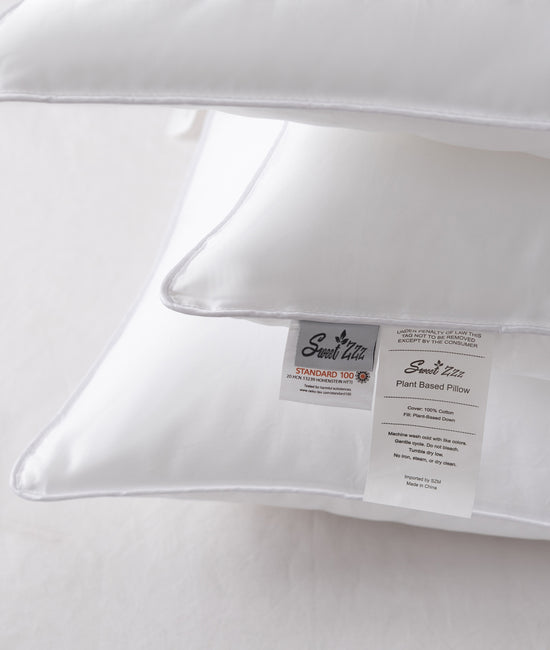
A comfortable, supportive pillow helps keep the head and neck aligned while giving your face and breathing space a cleaner, softer surface to rest on.
🌿 Cooling Tencel Mattress Protector
A mattress protector helps protect the mattress from moisture, spills, and everyday buildup while keeping the sleep surface more hygienic and easier to maintain.
The adjustable base can help you elevate your upper body for more comfortable breathing, reading, reflux support, or relaxation. It does not replace medical care, but it can make positioning feel easier and more natural.
A cleaner sleep environment is not just about the air.
It is about everything your body touches, breathes around, and rests on for hours every night.
Final Thoughts
Bedroom air quality matters.
Not because your room needs to be perfect.
But because you breathe that air all night.
Dust, humidity, mold, allergens, stale air, poor ventilation, and dirty bedding can all make sleep feel less comfortable.
Start with the basics.
Wash your bedding.
Control humidity.
Improve airflow.
Reduce dust.
Address mold.
Use breathable materials.
Consider filtration if needed.
Better sleep is not always about a new routine or a new supplement.
Sometimes, it starts with making the air around you easier to breathe.
Because your bedroom should not only feel comfortable.
It should feel clean, fresh, and safe enough for your body to fully relax.