 800-811-7514
Why Your Sleep Feels Light and Broken
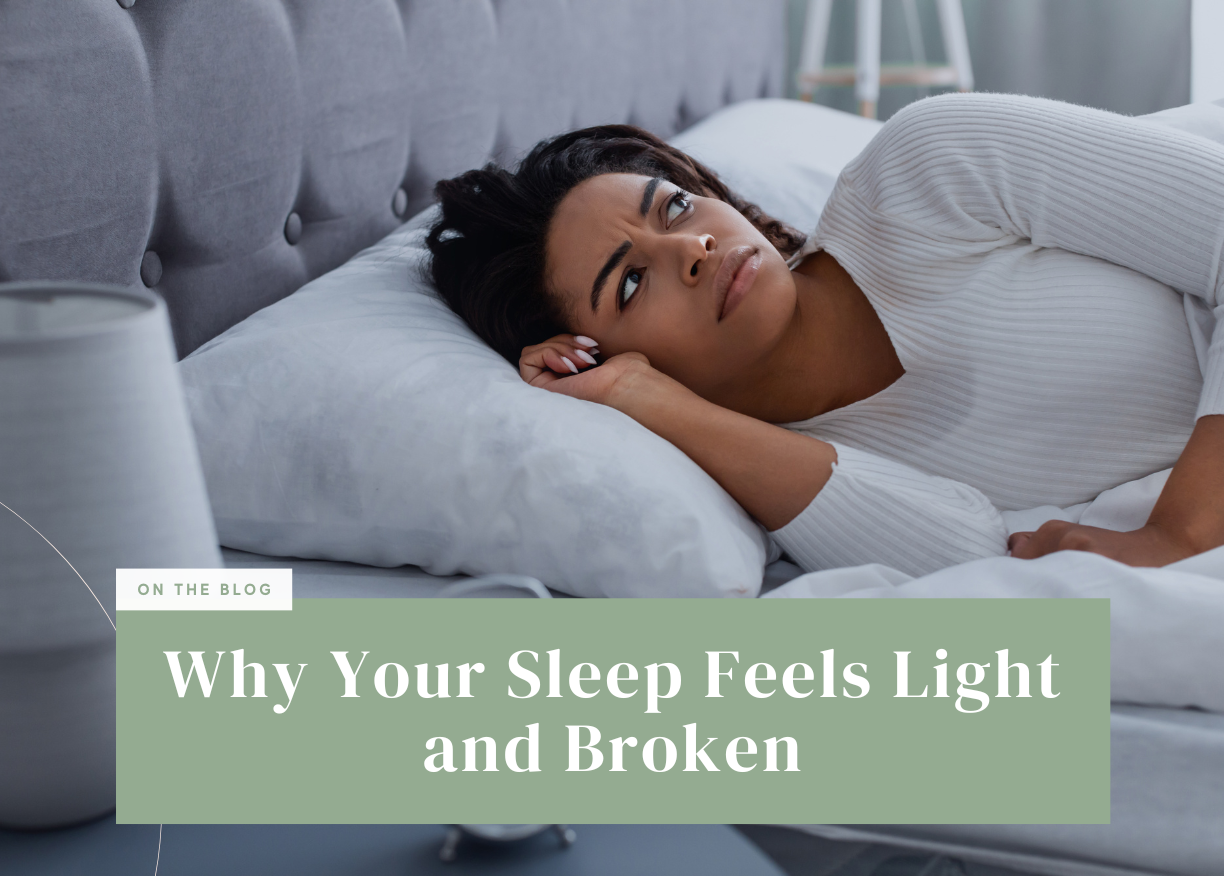

You slept.
At least, technically.
You went to bed.
You closed your eyes.
You woke up hours later.
But it did not feel like real sleep.
It felt shallow.
Restless.
Interrupted.
Like you were floating near the surface all night instead of fully sinking into rest.
You may not remember being awake for long.
But you remember the feeling.
Turning over.
Checking the time.
Getting hot.
Adjusting the pillow.
Hearing every little sound.
Waking up tired even though you “slept.”
So why does sleep sometimes feel light and broken?
And more importantly…
what can you do about it?
First: Sleep Is Not One Solid State

Sleep feels like one thing.
But biologically, it is not.
Your brain and body move through different sleep stages throughout the night, including non-REM and REM sleep. NHLBI explains that once you fall asleep, your body cycles through sleep stages in a predictable pattern.
That means some parts of the night are naturally lighter than others.
Waking briefly is normal.
Shifting positions is normal.
Having some lighter sleep is normal.
The problem is when your sleep becomes so fragmented that your body never feels like it fully recovered.
Light Sleep Is Not Bad

Light sleep has a purpose.
You are not supposed to be in deep sleep all night.
Your body needs lighter sleep too.
The issue is not light sleep itself.
The issue is when sleep feels mostly light, restless, and interrupted.
That usually means something is repeatedly pulling your body closer to wakefulness.
It may be physical.
It may be mental.
It may be environmental.
It may be medical.
But something is preventing your sleep from feeling steady.
1. Stress Keeps the Brain Too Alert

One of the biggest reasons sleep feels light is stress.
You may fall asleep, but your nervous system still feels watchful.
Your brain keeps scanning.
Your body stays tense.
Small sounds feel louder.
Small discomforts feel harder to ignore.
Stress can make it harder to stay asleep because the body never fully settles into a relaxed state.
That is why people often say:
“I slept, but I don’t feel like I rested.”
The body was still carrying the day.
2. Your Room May Be Waking You Up

Your sleep environment matters more than people think.
Light, noise, heat, and discomfort can all create small interruptions.
You may not fully remember every one.
But your body still responds.
The CDC recommends keeping the bedroom quiet, relaxing, and at a cool temperature as part of better sleep habits.
A room that is too bright, too loud, too warm, or too uncomfortable can keep pulling you into lighter sleep.
Even if you technically stay asleep, the sleep may not feel deep.
3. Temperature Can Break Sleep Apart

Heat is one of the most common sleep disruptors.
You may wake up hot.
Kick off the covers.
Flip the pillow.
Sweat.
Turn over again and again.
Sometimes you do not fully wake up.
But your body keeps reacting.
That can make the night feel restless and shallow.
Temperature problems can come from:
-
A warm bedroom
-
Heavy blankets
-
Thick pajamas
-
Poor airflow
-
Humidity
-
Heat-trapping mattress materials
-
Non-breathable sheets
Your body needs to feel comfortable enough to stop adjusting.
If it keeps fighting heat, sleep becomes lighter.
4. Pain and Pressure Points Can Interrupt Sleep

Pain does not always wake you dramatically.
Sometimes it creates small disruptions.
A sore shoulder.
A tight lower back.
Hip pressure.
Neck strain.
A numb arm.
Your body shifts to escape the discomfort.
Then shifts again.
Then again.
Over hours, these little adjustments can break up sleep.
You may wake up thinking:
“I slept all night. Why am I exhausted?”
Because your body may have spent the night managing pressure instead of fully resting.
5. Your Mattress May Be Too Firm, Too Soft, or Too Old

A mattress can make sleep feel light if it does not support you properly.
If it is too firm, pressure builds at the shoulders, hips, and lower back.
If it is too soft, your body may sink out of alignment.
If it is old or sagging, your muscles may work all night to stabilize your posture.
That effort keeps the body from relaxing.
And when the body cannot relax, sleep often becomes lighter.
The right mattress should support your natural sleep position while relieving pressure.
You should not have to fight your bed all night.
6. Your Pillow May Be Misaligning Your Neck

A poor pillow can quietly ruin sleep quality.
If your pillow is too high, your neck bends upward.
If it is too low, your neck drops.
If it is flat, lumpy, or unsupportive, your muscles may stay tense.
That tension can lead to:
-
Neck pain
-
Shoulder tightness
-
Headaches
-
Tossing and turning
-
Waking up often
Your pillow supports the top of your spine.
If it is wrong, the rest of your body may never feel fully settled.
7. Caffeine May Still Be Active

You may think caffeine only matters if it stops you from falling asleep.
But that is not the whole story.
For some people, caffeine can make sleep lighter even if they still fall asleep.
You may sleep…
but not deeply.
You may wake more often.
Dream more intensely.
Feel less restored.
Wake before the alarm.
If your sleep feels broken, look at caffeine timing.
Not just coffee.
Also tea, soda, energy drinks, chocolate, and pre-workout.
Sometimes moving caffeine earlier is enough to make sleep feel steadier.
8. Alcohol Can Make Sleep More Fragmented

Alcohol can make you feel sleepy at first.
That is why many people assume it helps sleep.
But later in the night, alcohol can disrupt sleep quality.
It may increase wake-ups, worsen snoring, contribute to dehydration, trigger reflux, or make sleep feel less restorative.
So you may fall asleep faster…
but wake up feeling like the night did not count.
That is not deep rest.
That is sedation followed by disruption.
9. Snoring or Breathing Issues Can Break Sleep

If sleep feels light and broken, breathing should not be ignored.
Snoring, gasping, choking, or pauses in breathing can interrupt sleep again and again.
You may not remember waking up.
But the body may be repeatedly pulled out of deeper sleep.
Mayo Clinic lists waking during the night and not being able to go back to sleep among sleep disorder symptoms, and notes that sleep disorders can involve breathing problems, difficulty sleeping, and daytime sleepiness.
If you snore loudly, wake up choking, have morning headaches, or feel sleepy during the day, talk to a healthcare professional.
A better bed can improve comfort.
But breathing issues need proper evaluation.
10. Reflux Can Wake You Without Fully Waking You

Acid reflux can also make sleep feel broken.
Sometimes it wakes you clearly with burning or coughing.
Other times, it causes subtle irritation that makes your body restless.
You may swallow more.
Clear your throat.
Shift positions.
Wake with a sour taste.
Feel tired the next day.
If reflux is part of the problem, lying flat may make it worse.
Elevation, meal timing, and medical guidance can help.
11. Too Much Time in Bed Can Make Sleep Feel Lighter

This sounds strange, but it happens.
If you spend more time in bed than your body is actually able to sleep, the night can become stretched out and broken.
For example, if your body only needs 7.5 hours but you spend 10 hours in bed trying to “catch up,” you may wake more often and sleep more lightly.
Bed should feel strongly connected to sleep.
Not lying awake.
Not scrolling.
Not worrying.
Not waiting for sleep to come back.
12. Sleep Anxiety Can Make Sleep Feel Fragile

Sometimes the problem becomes the fear of bad sleep.
You wake up once and immediately think:
Not again.
I’m going to be tired tomorrow.
Why can’t I just sleep normally?
That frustration creates alertness.
And alertness makes it harder to fall back asleep.
Mayo Clinic notes that clock-watching can cause stress and make it harder to return to sleep after waking during the night.
The more you monitor sleep, the more fragile it can feel.
Sometimes the best thing you can do at night is reduce the pressure.
What Poor Sleep Quality Looks Like

Poor sleep quality does not always mean you were awake for hours.
It can look like:
-
Waking up often
-
Feeling like sleep was shallow
-
Tossing and turning
-
Waking up hot
-
Waking with pain or stiffness
-
Feeling unrefreshed
-
Needing caffeine to function
-
Feeling foggy despite enough hours
-
Waking up too early
-
Feeling like you never reached deep sleep
Sleep Foundation notes that frequent awakenings, difficulty falling asleep, or waking unrefreshed can indicate poor-quality sleep, even when someone spends enough time in bed.
That is why sleep quality matters so much.
The hours only tell part of the story.
How to Make Sleep Feel Less Broken

1. Keep a Consistent Schedule
Your body sleeps better with rhythm.
Try to go to bed and wake up around the same time most days.
This helps your body know when sleep should begin and when it should end.
2. Cool the Room
If you wake hot or restless, temperature may be the problem.
Use lighter bedding, breathable sheets, airflow, or a cooler room.
Small temperature changes can make sleep feel much steadier.
3. Reduce Light and Noise
Even small disruptions can matter.
Try blackout curtains, an eye mask, earplugs, a fan, or white noise if sudden sounds wake you.
The goal is not always perfect silence.
The goal is a predictable environment.
4. Stop Checking the Clock
If you wake up, avoid checking the time.
Clock checking turns a normal wake-up into a stressful event.
The less you calculate, the easier it is to drift back.
5. Move Caffeine Earlier
Try cutting caffeine earlier in the day and watch what happens.
Some people sleep much better when caffeine stops by late morning or early afternoon.
6. Avoid Heavy Meals and Alcohol Close to Bed
Late heavy meals can cause discomfort or reflux.
Alcohol may make sleep more fragmented later.
Both can make sleep feel lighter than it should.
7. Make the Bed More Comfortable
Look at your mattress, pillow, sheets, and sleep position.
Pressure and poor alignment are major causes of restless sleep.
Your body should not need to keep adjusting all night.
8. Create a Real Wind-Down Routine
Your brain needs transition time.
Try 20–30 minutes of calm before bed:
-
Dim lights
-
Gentle stretching
-
Reading
-
Breathing
-
Warm shower
-
Quiet music
-
Writing down tomorrow’s tasks
The goal is to enter bed already calmer.
Not to ask your body to instantly switch from stress to sleep.
When Broken Sleep Should Be Checked

Talk to a healthcare professional if broken sleep is frequent, worsening, or affecting daily life.
This is especially important if you have:
-
Loud snoring
-
Gasping or choking
-
Breathing pauses
-
Daytime sleepiness
-
Morning headaches
-
Restless legs
-
Chronic pain
-
Severe anxiety
-
Depression symptoms
-
Night sweats
-
Frequent reflux
-
Trouble functioning during the day
Mayo Clinic notes that insomnia can sometimes be caused by conditions such as sleep apnea, restless legs syndrome, or long-term pain.
Sleep should not feel like a battle every night.
If it does, you deserve answers.
Why Your Sleep Setup Matters
If your sleep feels light and broken, your environment may be part of the reason.
Your bed should help reduce the signals that pull you awake.
Heat.
Pressure.
Pain.
Poor alignment.
Awkward positioning.
Designed to support spinal alignment while relieving pressure at the shoulders, hips, and lower back. The breathable organic materials help reduce overheating, while GOLS organic latex and pocketed coils provide responsive support so your body can move naturally without feeling stuck.
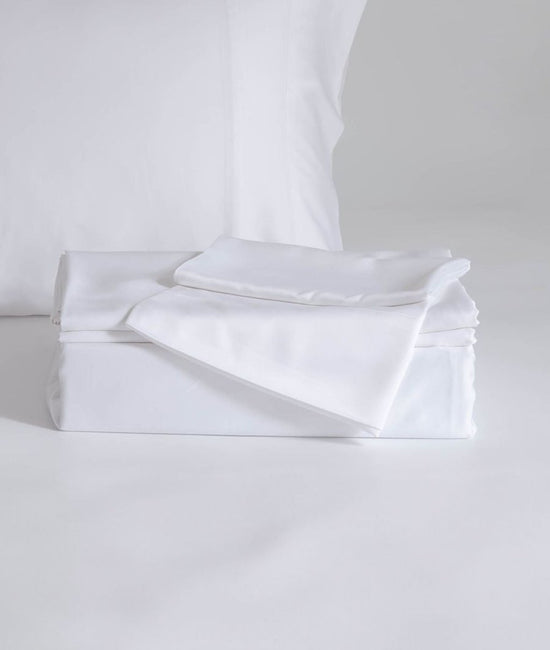
Soft, breathable, and moisture-wicking, Bamboo Sheets help regulate temperature and reduce the sticky, overheated feeling that can keep waking you up.
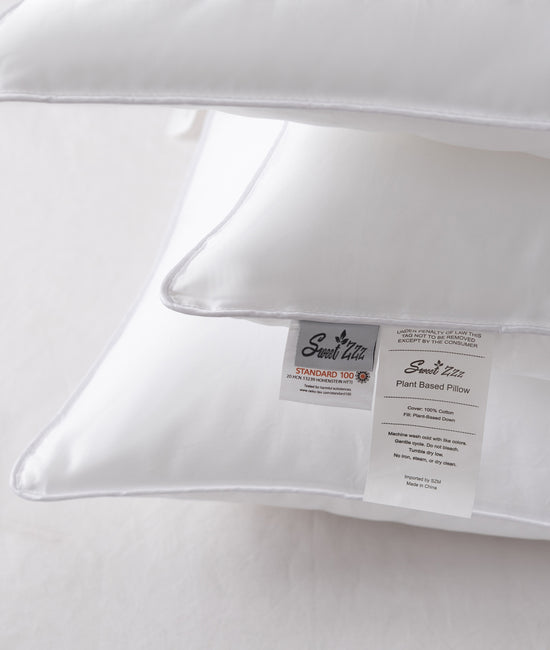
Supports the head and neck so your upper body can relax into better alignment instead of carrying tension through the night.
Helps you find a more comfortable position, elevate your head or legs, reduce pressure, and relax before sleep with massage. It can also help reduce the need for awkward pillow stacking.
A better sleep setup cannot solve every cause of broken sleep.
But it can remove many of the physical disruptions that make sleep feel shallow and restless.
Final Thoughts
Light sleep is normal.
Waking briefly is normal.
Not every restless night means something is wrong.
But if your sleep regularly feels broken, shallow, and unrefreshing, your body may be telling you something.
Maybe the room is too hot.
Maybe stress is too high.
Maybe caffeine is too late.
Maybe your mattress is creating pressure.
Maybe your pillow is misaligning your neck.
Maybe snoring, reflux, pain, or another health issue is interrupting the night.
The key is not to chase perfect sleep.
The key is to reduce the interruptions.
Because deep, restorative sleep does not happen by force.
It happens when your body finally feels safe, cool, supported, and undisturbed enough to stay there.